



Polymaker is thrilled to announce the launch of PolyCore™ PC-7413, a cutting-edge pellet-based material made from 30% glass fiber reinforced polycarbonate (PC). This advanced material is specifically engineered for medium-temperature (80 °C - 120 °C) composite mold applications, an area that has rapidly evolved in recent years through the adoption of fused granule fabrication (FGF), also known as Large-Format Additive Manufacturing (LFAM). By leveraging FGF/LFAM, manufacturers achieve significant reductions in lead time and production costs.
“Over the past few years, producing large molds has rapidly become the most popular application of FGF/LFAM. PolyCore™ PC-7413 combines exceptional printability with cost-effectiveness to set a new benchmark in mold manufacturing.” Stated Raymond Huang, Director of Polymaker’s FGF Business.

Figure 1 | A mold was printed with PolyCore™ PC-7413
Key Features and Industry-Leading Capabilities
PolyCore™ PC-7413 boasts numerous advantages, making it an outstanding choice for medium-temperature composite mold applications.
- Excellent Heat Resistance: With a heat deflection temperature (HDT) of 136 °C at 1.82 MPa, PolyCore™ PC-7413 is ideal for autoclave curing processes up to 120 °C.
- Exceptional Printability: The glass fiber reinforcement minimizes warping during printing, and its finely tuned rheological behavior ensures smooth extrusion and excellent layer adhesion.
- Cost Effectiveness: PolyCore™ PC-7413 offers a cost-effective alternative to traditional carbon fiber reinforced materials, making it perfect for companies scaling up production without compromising on performance.
The material's performance was validated through a real-world case in which an aerospace-grade mold was successfully produced and subjected to additional rigorous testing. The mold met strict requirements for dimensional tolerance (± 0.2 mm) and airtightness, confirmed by high-precision laser scanning and vacuum tests. These results demonstrate the material’s exceptional heat resistance, strength, and dimensional stability, underscoring PolyCore™ PC-7413 as an ideal choice for composite mold applications.

Figure 2 | The mold and carbon fiber part after autoclaving

Figure 3 | Dimensional inspection result of the mold after autoclave curing
A Collaborative Success with Helio Additive
Beyond PolyCore™ PC-7413’s inherent material properties, we believe that the printing process, optimized by Dragon was also a critical factor in achieving the complete mold validation. By using a thermal history simulation for each voxel, Dragon’s optimization achieved a more uniform thermal distribution across the mold, reducing internal stress and enhancing layer adhesion. This process refinement contributed to the mold’s dimensional stability and airtightness, leading to a successful "First Time Right Print" with a 38% reduction in printing time.

Figure 4 | Optimization report from Dragon
“Materials are at the heart of what makes large format additive manufacturing powerful. Collaborating with Polymaker allows us to use the full power of Dragon with state-of-the-art materials to develop solutions for composite tooling.” Stated David Hartmann, CEO of Helio Additive
See PolyCore™ PC-7413 at Formnext 2024
Polymaker invites you to explore the capabilities of PolyCore™ PC-7413 and see firsthand how this new material can transform your manufacturing processes. Visit our booth at Formnext in Hall 12.1, Stand C21 to learn more.
For more information, or to explore how PolyCore™ PC-7413 can benefit your production, contact us at polycore.inquiry@polymaker.com.cn.
Polymaker, a leading producer of 3D printing materials, announces the expansion of its product portfolio with the launch of two new distinct product families, Fiberon™ and Panchroma™. Fiberon™ focuses on developing cutting-edge composite filaments with both high performance and excellent printability, while Panchroma™ offers filaments with the most diverse range of aesthetic properties. These new offerings underscore Polymaker's commitment to innovation and its ongoing efforts to meet the diverse needs of the 3D printing industry.
"We see two increasingly critical needs in the FDM/FFF industry – functional properties and aesthetics. Fiberon™ and Panchroma™ are our answers to address these customer needs," stated Dr. Xiaofan Luo, CEO of Polymaker.
Fiberon™
Master composite materials with Fiberon™, democratizing high performance composite 3D printing filaments with a comprehensive range of material properties. The launch of Fiberon™ introduces 3 new fiber reinforced materials to the market, PET-CF17, PETG-rCF08 & PPSCF10. These new materials are paired together with the existing composite filaments from Polymaker (PA6-CF20, PA6-GF25, PA612- CF10, PA12-CF10, PETG-ESD). In essence, Fiberon™ brings industrial-grade composite performance to the desktop, enabling a new wave of end-use part production and functional prototyping applications previously off-limits due to printer capabilities and pricing.

"Traditionally, desirable material properties like strength or heat resistance required expensive industrial printers. Fiberon™ challenges this. With advanced materials, users can print strong, stable, functional parts using entry-level printers. We’re democratizing high-performance 3D printing materials.” - Dr. Xiaofan Luo, CEO of Polymaker
Learn More: Fiberon 3D Printing Filament by Polymaker – High-Performance Composite Filaments
Panchroma™
Polymaker’s new aesthetic product family is designed to meet the growing demand for high-quality, visually stunning 3D prints by offering the widest selection of colors and surface finishes available on the market. Panchroma™ is committed to the highest consistency of color for its products with a multi-step process monitoring the quality control for color consistency.

Panchroma™ employs a number of extrusion techniques in order to create their filaments and the combinations of these techniques with the multitude of color expands the filament offering exponentially. Filaments are divided by their extrusion process, then surface finish and finally the color. This allows users to navigate through the vast array of options and find the filament they need.
To further assist customers with their workflows, Polymaker is developing a web-based tool that allows users to create realistic digital renders based on different Panchroma™ colors & surface finishes.
Learn More: Panchroma 3D Printing Filament – Where easy printing meets the world of color (polymaker.com)
On the occasion of the official launch of these two product families, Polymaker has completely upgraded the packaging to enhance the user experience.
• Adding Inside and Outside Spool Wrapping: This ensures smooth rotation of the spools in the AMS while preventing the cardboard dust from dropping during use.


Before vs After
•Modified Hole Shape and Spacing: These changes reduce the likelihood of breakage during threading, enhancing durability.


Before vs After
• Larger Windows on Both Sides of the Cardboard: This allows customers to easily see the filament color, providing a more intuitive selection process.


Get ready for the launch of these upgraded products!
2024年5月6日,上海—— 近日,Polymaker荣获 2024年TCT亚洲展“最佳应用奖——最佳工业案例”, 凭借其 PolyCore™系列产品在3D打印建筑模版领域的优秀表现。这一荣誉不仅是对Polymaker在创新和卓越方面的认可,也是对其在3D打印行业中持续领导地位的肯定。

随着3D打印技术的不断创新和进步,这一技术被逐渐应用于建筑行业。此次获奖案例正是Polymaker在建筑领域的深耕之作:利用3D打印的高精度和大尺寸优势,Polymaker选用旗下 PolyCore™ 系列材料,浇筑制作完成了Polymaker(及苏州聚复科技股份有限公司)长达5米,宽0.4米,总高2米的品牌墙。
墙体从飘落的雪花中汲取设计灵感,打造凹凸立体的造型;上海建工集团下属上海市机械施工集团有限公司为更好铸造这一项目,还与上海酷鹰科技有限公司联合研发出一体化打印装备,并将其充分应用于品牌墙的打印工作之中 ,彰显了3D打印将创意想象付诸实践的实力,为建筑行业注入了智能制造的新活力。

这一墙体的建成意义重大。上海市机械施工集团有限公司方面表示:“超大幅面异形混凝土模板3D打印技术的应用,依托“十三五”及“十四五”国家项目课题研究成果,将为市政及建筑工程中异形混凝土模板模具的快速、高精度制造带来革命性的变化。与传统模具相比,这一技术有效降低了制造成本与施工周期,推动了传统建筑向数字化、工业化、智能化、低碳化的转型。”
正因如此,Polymaker才能在亚洲地区最具影响力的增材制造盛会TCT亚洲展上脱颖而出,赢得“ 最佳应用奖之最佳工业案例奖项, 进一步巩固了Polymaker在建筑领域的地位并丰富了其产品组合。有关此案例的详细信息,请点击“采用PolyCore™打印的建筑模型案例”。

“我们对荣获TCT亚洲展最佳工业案例奖感到非常荣幸。这不仅是对我们团队不懈努力和持续创新的肯定,也为建筑行业的发展带来新启示。Polymaker一直是将3D打印应用于建筑领域的先行者,为包括室内设计和室外建筑在内的建筑行业提供多款粒料产品,并成功打造 上海桃浦公园景观桥、, the 成都流云桥拉卡环岛雕塑等项目。未来,品牌还将继续致力于技术创新和产品优化,为建筑行业带来更多智能制造的可能性,让建筑焕发智能制造之美。”——Polymaker CEO 罗小帆博士
除最佳工业案例奖外,Polymaker还在TCT亚洲展十周年之际获得了十年老友称号。这一荣誉代表了Polymaker与TCT亚洲展的长期合作和密切关系,以及品牌在3D打印行业中的持续贡献。

未来,Polymaker将继续秉承卓越品质和创新精神,不断拓展增材制造领域的边界,为客户和合作伙伴提供卓越的解决方案,最终推动增材制造技术的发展。
Polymaker is excited to launch PolyDryer™, a revolutionary product designed to provide the ultimate solution for drying and storing 3D printing filaments which protects against dust and moisture. With advanced features, such as modular design, superior sealing performance and high drying efficiency, PolyDryer™ aims to enhance the quality of 3D prints by addressing common issues.

Printing with wet 3D filament can lead to various issues such as stringing, clogging and rough or poor surface quality, highlighting the necessity for drying or sealing. While existing drying or sealing products on the market solve these problems to some extent, combining drying and sealing functions into one comprehensive solution has been a focus for Polymaker, leading to the creation of PolyDryer™.

The whole product features modular design and consists of two units: Dry Dock, ensuring stable temperatures for quick and even drying with a precise heat control system and PTC heater, and PolyDryer™ Box, which offers superior sealing performance and continuous filament protection. These components can be used separately or together. Dry Dock evenly dries filaments in the PolyDryer™ Box above it, and PolyDryer™ Box can be used with or without the dock for separate storage.

Second key feature is its superior sealing performance. PolyDryer™ allows for extended drying and long-term protection of materials. Its exceptional sealing capability and visible desiccant indicator display maintains optimal humidity levels, ensuring that filaments are dry and ready for printing.

Thanks to the high precision heat control system, fan and PTC heater, PolyDryer™ can dry the most commonly used 3D filament types efficiently, including PLA, ABS, ASA, PETG, PA, TPU, PC and more. In addition, filament can also be dried during printing if you press and hold button "M" to activate Continuous Drying Mode, to ensure thorough drying of all filament layers, providing double assurance of material quality.

PolyDryer™ offers wide compatibility with various 3D printing materials, accommodates filament up to 1kg, and both of 1.75mm/2.85mm/3.00mm diameters can be used in it. Moreover, it has a compact footprint for which makes it easily portable.
"PolyDryer™ offers a one-stop solution for effective drying and sealing, ensuring optimal printing conditions and improved print quality," stated Dr. Luo Xiaofan, President of Polymaker. He added, "As a brand dedicated to meeting user needs, we aim to provide a complete 3D printing filament solution with this product. In the future, Polymaker will expand its presence in 3D printing materials, offering a wide range of material services to simplify creation.”

Now PolyDryer™ is available on the market, for more details or to purchase, click the link below.
US Store: https://us.polymaker.com/products/polydryer
Amazon: https://www.amazon.com/dp/B0CK1BX9G2
Find A Reseller: https://cdn.polymaker.com.cn/find-a-reseller
In addition to the product, several PolyDryer™ exclusive accessories have been carefully designed to enhance your 3D printing experience, please follow us on Printables and MakerWorld:
Polymaker | Published - MakerWorld
Note: DIY modifications may affect the safety and performance of the PolyDryer™.


通过Polymaker与Amesos的合作,定制生产相比铝材加工降低了85%的成本,且打印零件在三天内完成交付并安装。这表明增材制造具有以下优势:
- 支持小批量定制,将生产周期缩短数月,显著降低间接成本
- 突破传统工艺的设计限制,更经济高效地生产定制零件和复杂设计
- 无需投入过多设备成本或昂贵的工装,即可更快速地响应市场需求,实现业务多元化
- 促进数字化生产,克服供应链中断问题,减少不必要的库存
随着工业级3D打印技术逐渐应用在机械加工、注塑成型等传统制造工艺,增材制造已从原型生产扩展到终端产品的更关键应用领域。


近日,一家提供高精度直驱电机的运动控制公司正在为其研发设备设计适合柔性扁平电缆(FFC)的连接器。柔性扁平电缆是电子设备中常用的连接结构,该公司需要将其放置在定制连接器中,以连接旋转电机和光电开关设备。
该公司起初向一家铝材加工厂询价,但得到的回复让他们转而寻求替代解决方案:
- 最小起订量限制:每个产品至少50件
- 加工限制:部分插槽设计过于复杂,传统机械加工工艺无法实现
- 交付周期不稳定:两周的交付周期,且运输时间无法保证
与铝材加工相比,3D打印技术不仅生产速度更快,还能减轻零件重量。此外,3D打印可以同时生产不同规格的零件,更经济高效地满足定制需求。最终,该公司决定与Amesos制造公司和Polymaker合作,生产柔性扁平电缆的连接器。

旋转电机带动柔性扁平电缆持续旋转,而连接器可实现分离和旋转功能。设计中还包含限位槽,以防止电缆缠绕或断裂。零件在当天打印完成后,客户即可立即进行试装。
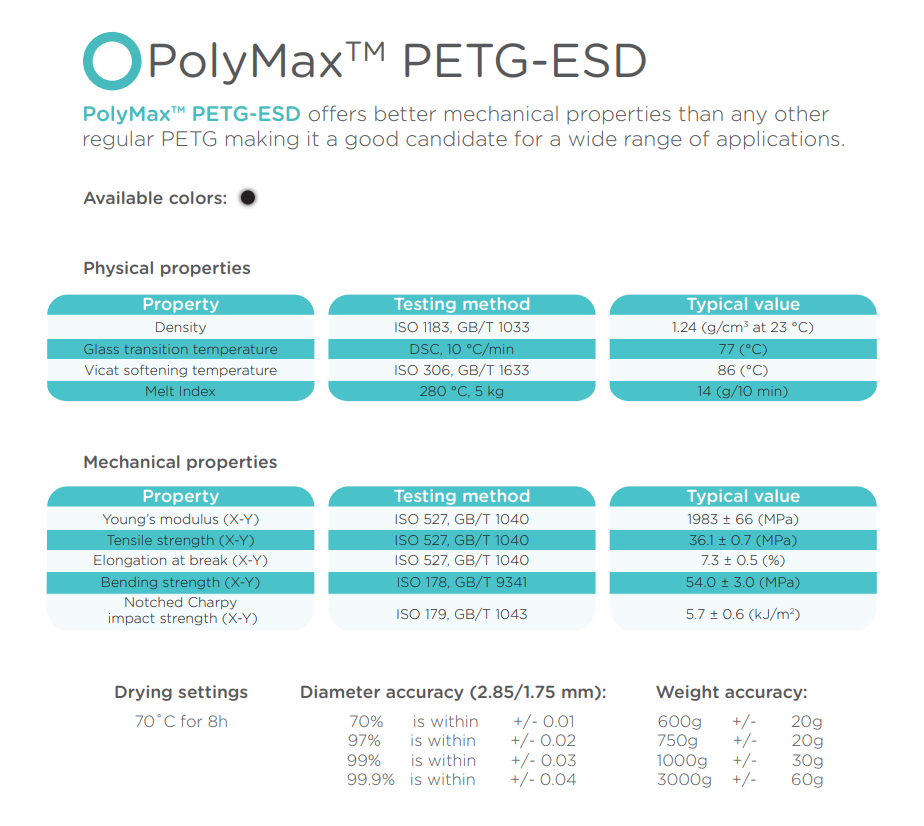
考虑到柔性扁平电缆随旋转电机旋转时会产生持续摩擦,连接器的材料必须具备耐磨性和保护性能。此外,电子元件还要求材料具有防静电(ESD)特性。Polymaker的PolyMax™ PETG ESD因此成为生产这些零件的理想材料选择。


与PLA相比,PolyMax™ PETG ESD不仅具有更高的强度、抗冲击性和耐温性,而且易于打印。其防静电特性使其适用于电子行业的广泛应用,包括工装夹具、功能原型设计和电气外壳制造等。
通过Polymaker与Amesos的合作,定制生产相比铝材加工降低了85%的成本,且打印零件在三天内完成交付并安装。这表明增材制造具有以下优势:
- 支持小批量定制,将生产周期缩短数月,显著降低间接成本
- 突破传统工艺的设计限制,更经济高效地生产定制零件和复杂设计
- 无需投入过多设备成本或昂贵的工装,即可更快速地响应市场需求,实现业务多元化
- 促进数字化生产,克服供应链中断问题,减少不必要的库存
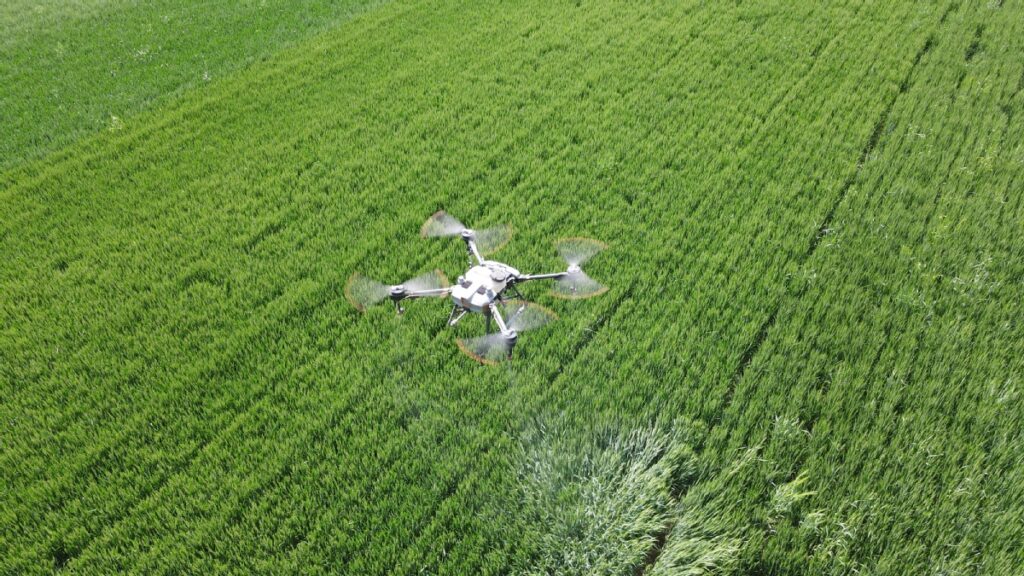
随着机械化水平的不断提高,农用无人机正被用于各种农业作业,例如大规模作物喷洒。市面上的农用无人机款式较多,主要分为四部分:一是飞控系统,二是动力系统,三是喷洒系统,四是机型机架。喷洒系统是3D打印技术在这一领域的主要应用模块,包括药箱、水泵、喷头和相关传感器。
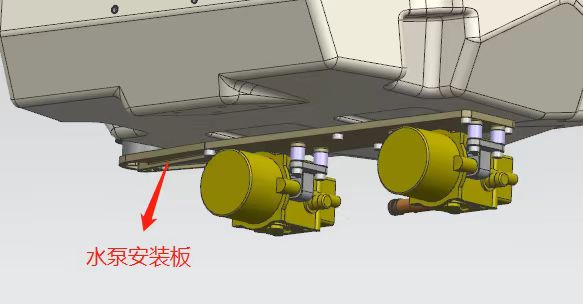
农用无人机安装有存储药液的药箱,作业时药液通过水泵抽排而出。然而,抽排时水泵的振动会影响飞行器的飞行控制系统。传统方式采用CNC铝板加工等办法以固定水泵。但缺点不可避免:工序复杂、耐腐蚀性较差、设计自由度低、无轻量化优势等。这些都或多或少会影响无人机的生产效率、有效载荷能力和续航时间。
而通过3D打印技术,就可以快速制作原型验证,有效解决以上问题,并进行小批量生产。经过考虑,生产商决定与Amesos和Polymaker合作,共同打造增材制造解决方案。

Amesos主要负责定制设计匹配农用无人机型号的水泵安装板以满足客户需求。在三天内,设计并测试了四个不同版本,最终遴选出合适方案提供给客户并成功通过安装测试。下一步是打印。安装板上的单个水泵重量约为400g,客户需要安装2-3个水泵。所以这一打印件需要能够承受冲击且不易断裂的材料。
Polymaker则负责材料方面的挑选工作。作为一家专注于 3D 打印材料的高新技术企业,Polymaker在收到客户要求后立即开始试验和比较其多样化的产品系列。最终选择了PolyMide™ PA612-CF材料。
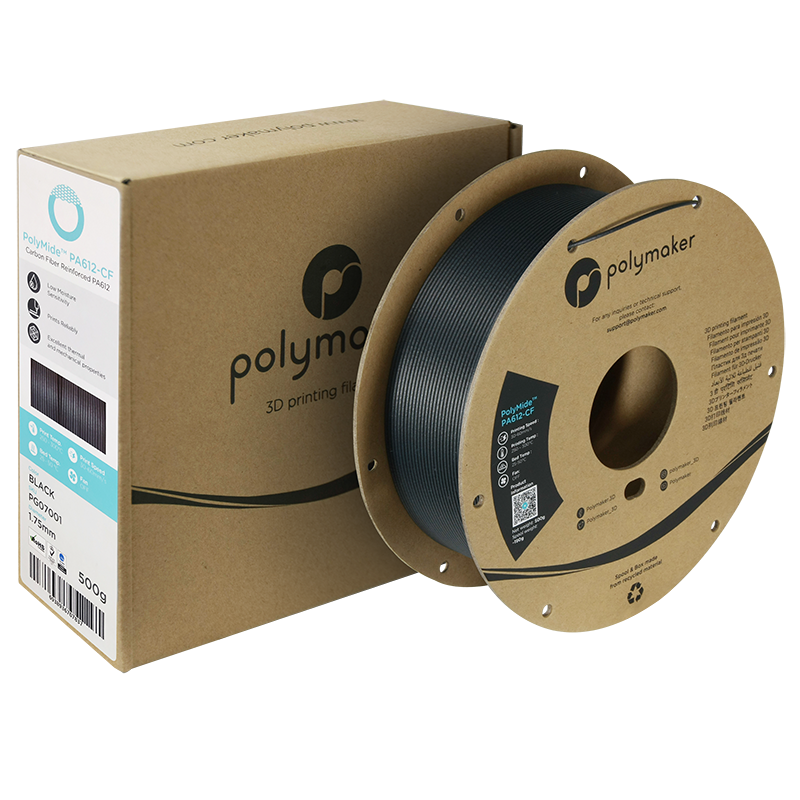
PolyMide™ PA612-CF 是一款碳纤增强的长链共聚尼龙材料,得益于其长链的化学结构,该材料对于水分的敏感性相比于尼龙6/66以及尼龙6基的材料有明显的减低,同时具有比一般的尼龙12类材料更高的力学性能。高刚度、高韧性和耐高温等优点,让由PolyMide™ PA612-CF打印的成品不易受到振动影响,可以保证水泵安装板具有足够的强度和稳定性。同时,材料较低的吸水性使其可以在潮湿环境中使用,符合这一需求的特定应用环境。此外,凭借碳纤增强和Warp-Free™(防翘曲)技术,使用PolyMide™ PA612-CF 打印出来的产品具有极高的尺寸稳定性,有效延长了水泵安装板的使用寿命。
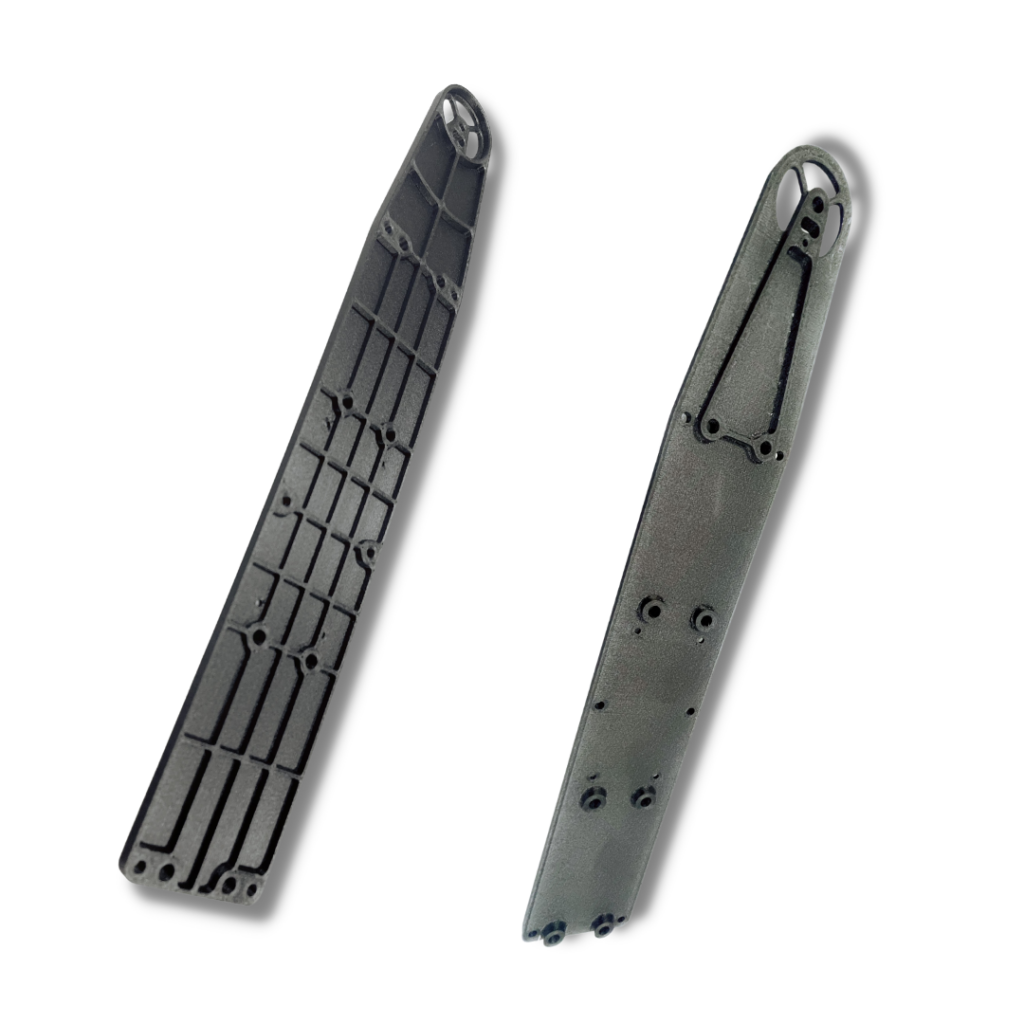
通过采用3D打印技术进行水泵安装板的设计和生产,快速原型制造、灵活性和低成本的优势得到了充分体现。制造商能够快速制作原型、进行验证和必要的改进、并立即进行批量生产和交付。此过程有效缩短了产品开发周期,能够制造复杂的几何形状和内部结构,并促进按需、高效率的生产,大大提高了生产制造的经济效益。
增材制造技术是一种快速发展的制造技术,通过数字化为产品设计和生产带来更大的灵活性和效率。它有效弥补了车削、磨削、锻造、冲压和铸造等传统机械加工工艺的不足。因此,市场对3D打印技术寄予厚望。
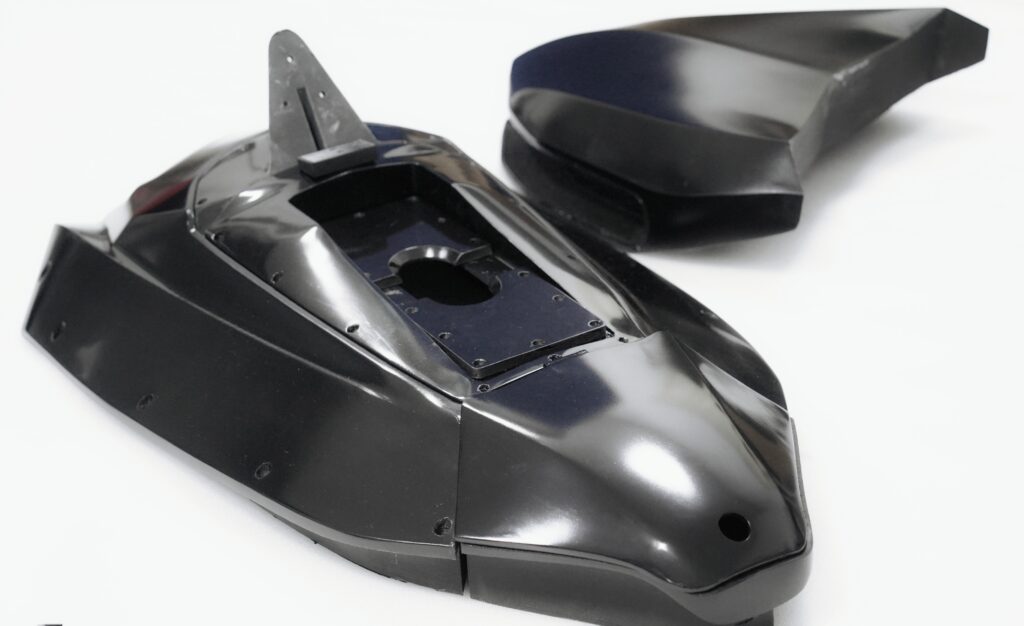
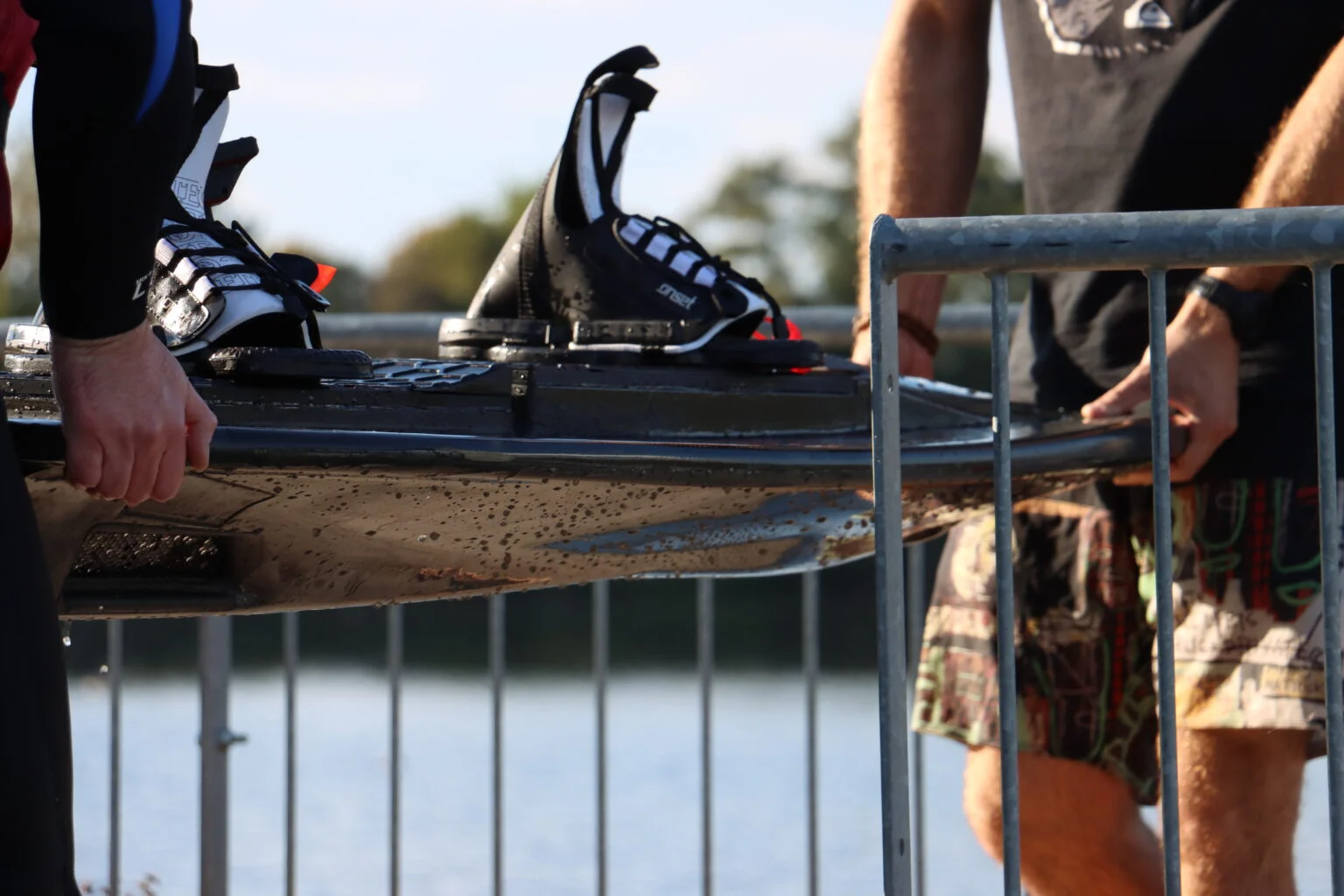
在摩托艇制造行业,3D打印的优势尤为明显,尤其是在个性化和提升竞争力方面。Polymaker决定加强在该领域的合作。与此同时,美国一家知名摩托艇制造商正调整其生产方式,寻求定制化的增材制造解决方案。经过Amesos与Polymaker的联合研究和比较,他们最终选择PolyLite™ PETG作为打印材料。
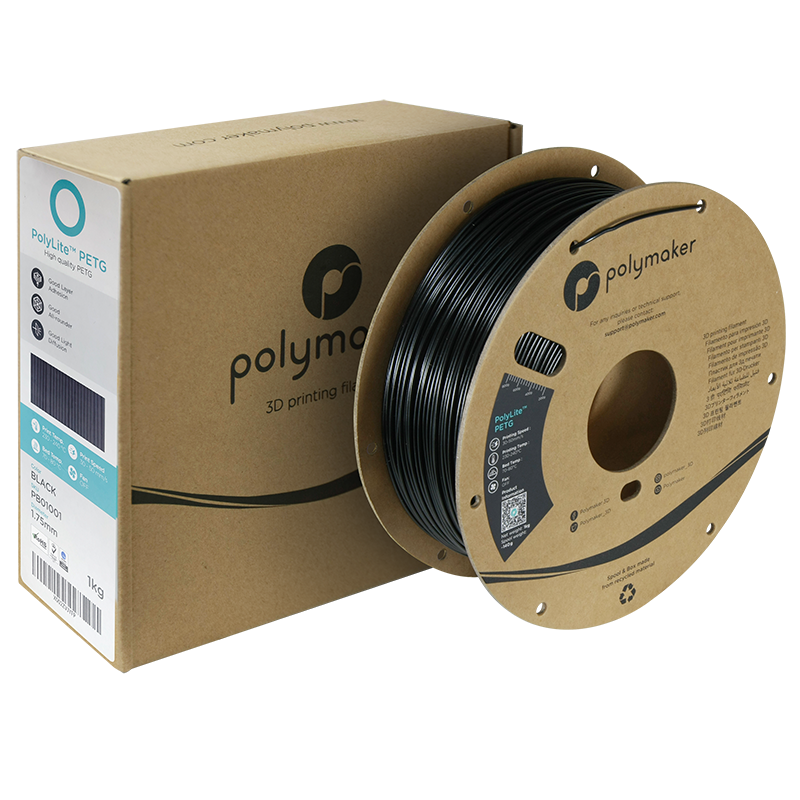
与PLA相比,PETG具有更高的热变形温度和更优异的整体机械性能。与ABS相比,PETG的尺寸稳定性更好。总体而言,PolyLite™ PETG是一种无翘曲、高性价比的材料。其出色的冲击强度、防水性和耐化学腐蚀性,使其成为打印摩托艇外壳的最佳选择。该打印模型的总重量(包括摩托艇的驾驶舱盖和前保险杠)约为15千克。
在使用PolyLite™ PETG进行打印的过程中,除了适当设置喷嘴温度、热床温度和回抽参数外,冷却风扇的控制是影响打印效果的关键因素。由于PETG的结晶特性,过度使用冷却风扇会显著降低打印零件的层间附着力,使其在Z方向容易断裂,不适合长期使用。另一方面,完全关闭冷却风扇会降低表面光滑度,且支撑结构更难去除。因此,选择合适的风扇转速成为该应用中的一大挑战。经过多次工艺测试并结合摩托艇部件的结构特点,工程师们最终将风扇转速设定为20%,以在表面质量和层间附着力之间取得良好平衡。
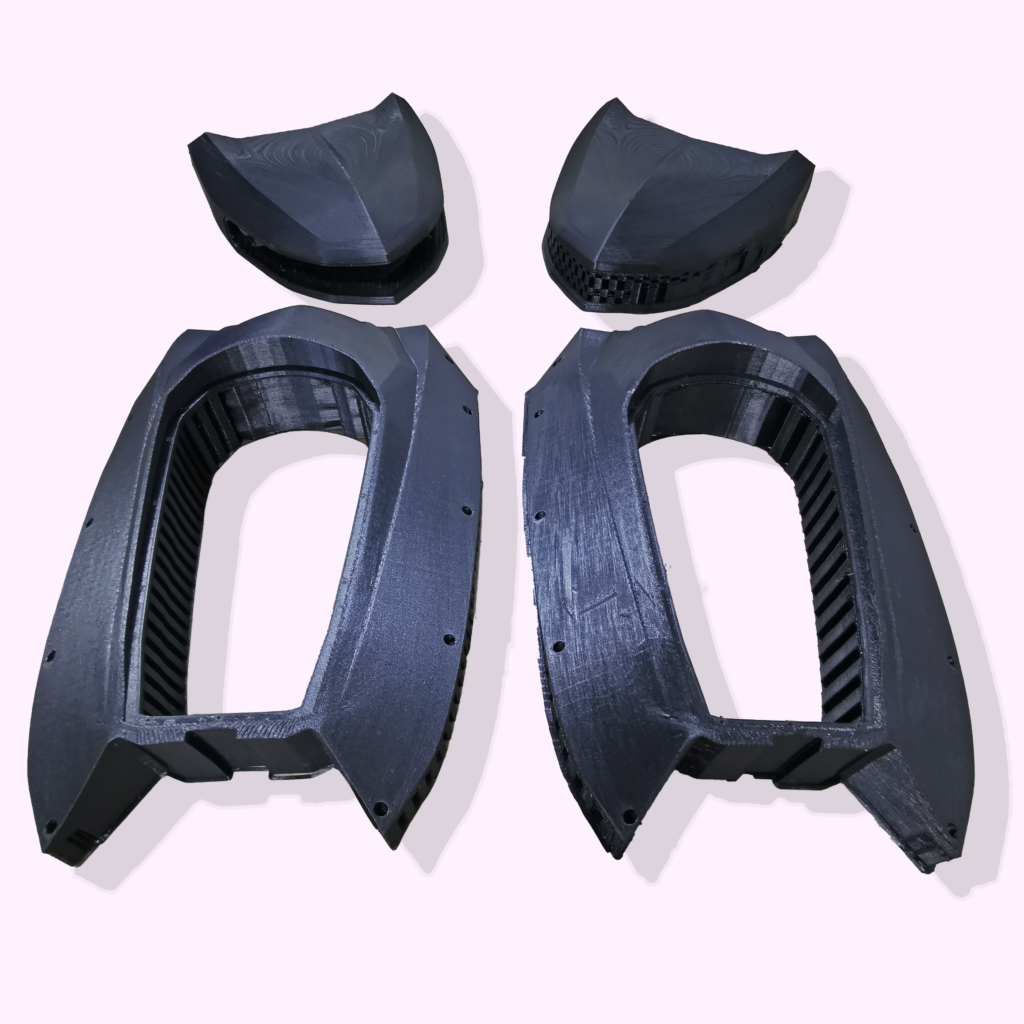
得益于PolyLite™ PETG的优异性能以及Amesos提供的稳定精密打印机,摩托艇驾驶舱盖和前保险杠的工程设计成功完成。这些零件随后用于小批量连续生产,打印效率超过163立方厘米/小时(200克/小时)。这一成就不仅是Polymaker在摩托艇制造行业的重大应用突破,也标志着增材制造在推动创新和实验方面具有更大的可能性、更高的自由度和更强的灵活性。
我们的长期战略合作伙伴LulzBot发布了其TAZ系列桌面3D打印机的最新产品——TAZ SideKick。这款打印机有两种尺寸可供选择,其设计可以灵活配置,以便客户根据自身需求定制机器。
LulzBot TAZ SideKick目前有两种规格,是迄今为止性价比最高的LulzBot打印机。这款高度可配置的机器可以让客户轻松打造一台功能齐全的个人桌面3D打印机。
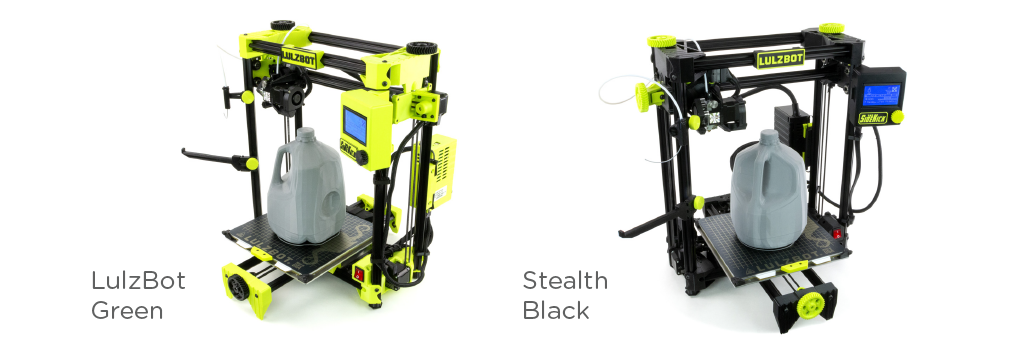
TAZ SideKick速度更快、操作更简单,开箱即可使用,配备免费软件。这款新打印机允许用户选择机器颜色和打印体积,还可以添加其他选项,如打印平台、电子元件以及任何LulzBot通用安装系统的打印头。
这款3D打印机最突出的特点之一是其“自我复制”的理念,让人想到最初的RepRap项目:在位于北达科他州法戈的不断扩大的LulzBot打印机工厂中,超过50%的打印机部件采用PolyLite™ PETG通过3D打印制成。
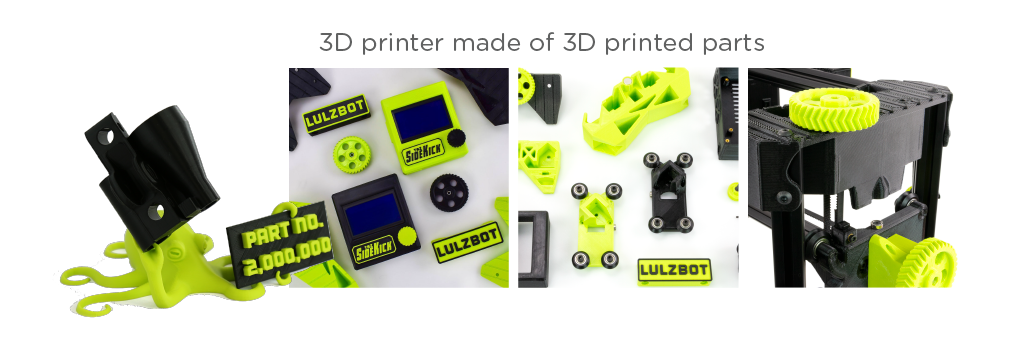
LulzBot高度认可开源精神,用户可以从LulzBot GitLab下载文件,便捷且低成本地更换任何磨损的打印机部件。LulzBot 3D打印机质量稳定,在美国北达科他州法戈制造,经久耐用。
TAZ SideKick订购信息
LulzBot TAZ SideKick现已开放订购。如需查看TAZ SideKick配置器,请访问 LulzBot.com/SideKick.
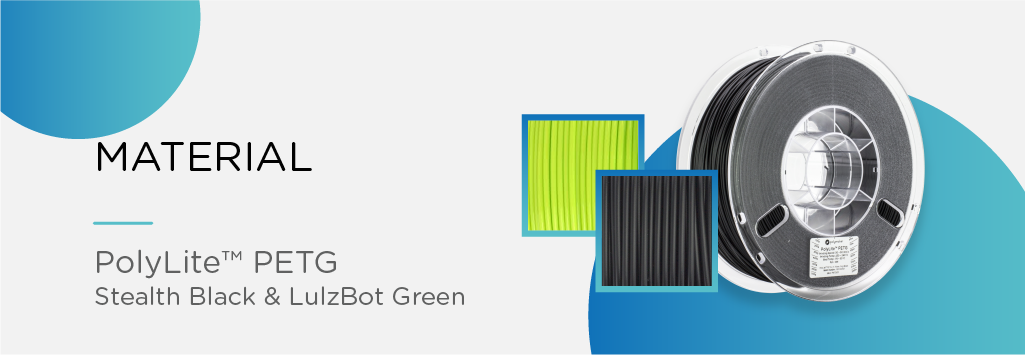
PolyLite™ PETG是一种高性价比的PETG线材,具有均衡的机械性能且易于打印。PolyLite™ PETG的打印难度与常规的PLA(PolyLite™ PLA)相当,同时具备比PLA高20℃的耐热性和更佳的耐用性。因此,PolyLite™ PETG适用于更多功能性应用场景——例如照明设备、振动部件或更多功能性产品设计原型。它是打印TAZ SideKick功能部件的理想选择。
PolyLite™ PETG产品包括12种颜色的1千克线材,有两种直径(1.75毫米和2.85毫米)可供选择。PolyLite™ PETG可通过以下渠道购买:
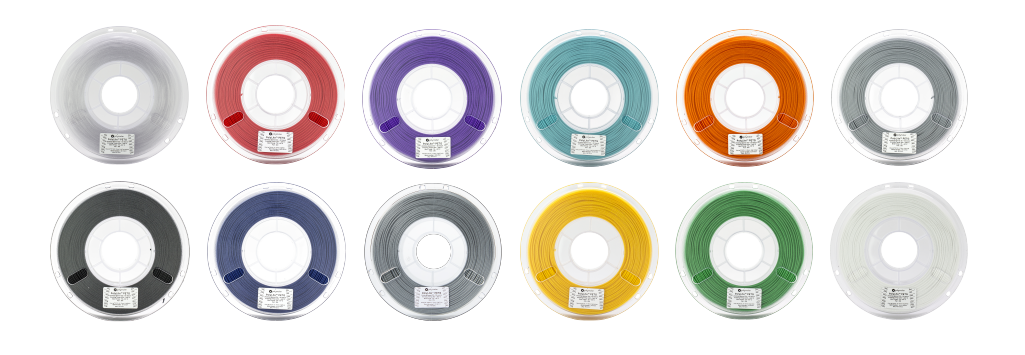

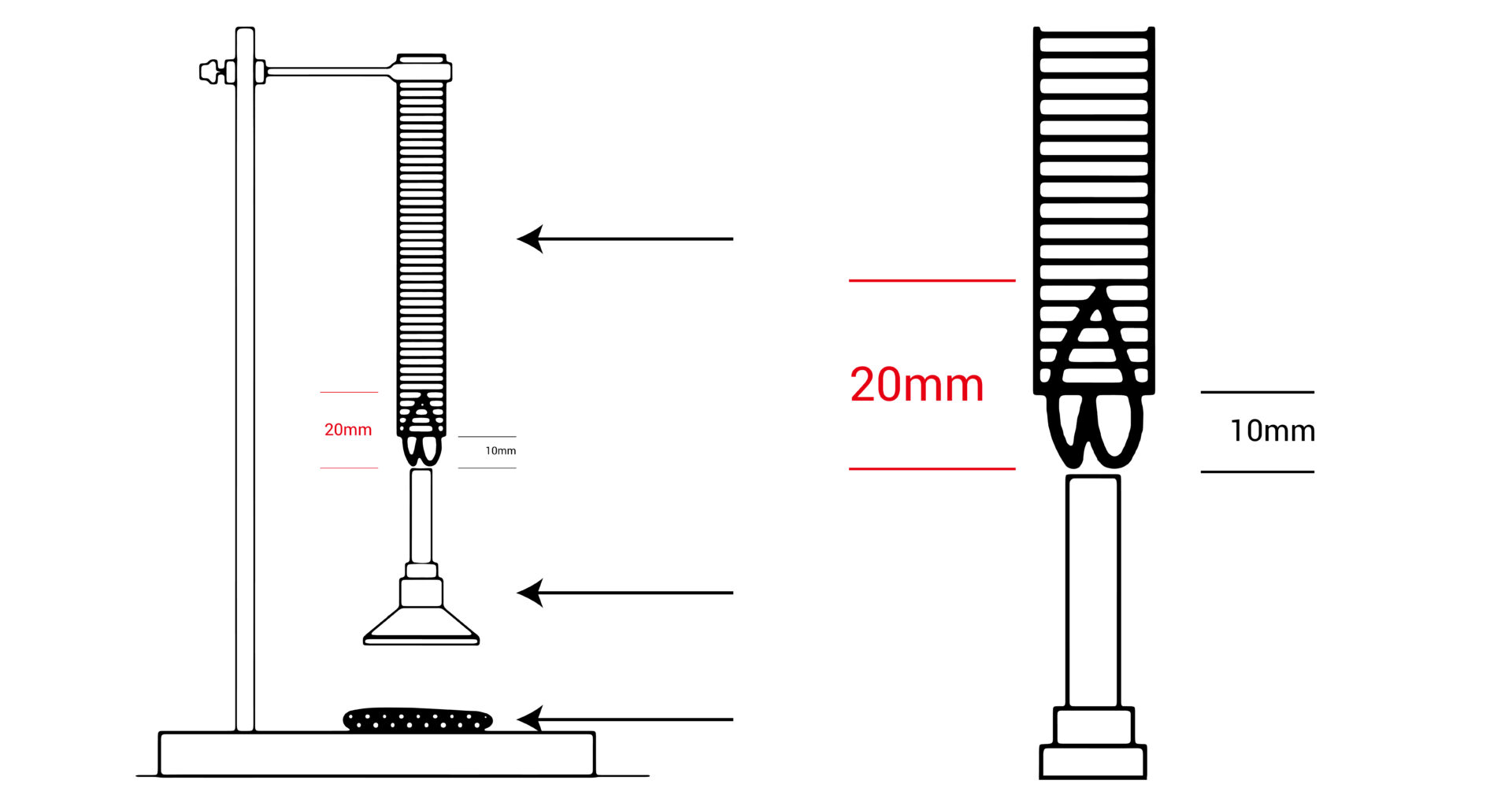
Polymaker recently worked with 3DQue Systems, a company that retrofits existing 3D printers for hands-free part removal and high-volume production. They are the first company who use PolyCast™ as support to print metal parts and automate this process with the Ultimaker S5.
Quinly automation system
3DQue’s automation system, Quinly, is a virtual printer operator, that can be installed on Raspberry PI and connected to 3D printers. When installed, Quinly can queue preloaded Gcodes, auto-level, execute part removal after a print job is completed, and start the next print job. 3DQue designed its VAAPRTM print bed that provides 500x adhesion when heated and allows easy release when cooled, without additional adhesives. Automated part removal is achieved using a gravity-assisted mechanism: Quinly incorporates a mechanical motion of the printer head/bed, to sweep off printed part, before starting the next print job. Quinly also provides real-time data, failure notification, and Livestream access to the print. By eliminating a significant portion of the manual tasks in a print job (filament still needs to be changed manually), Quinly reduces per part cost by 80%.
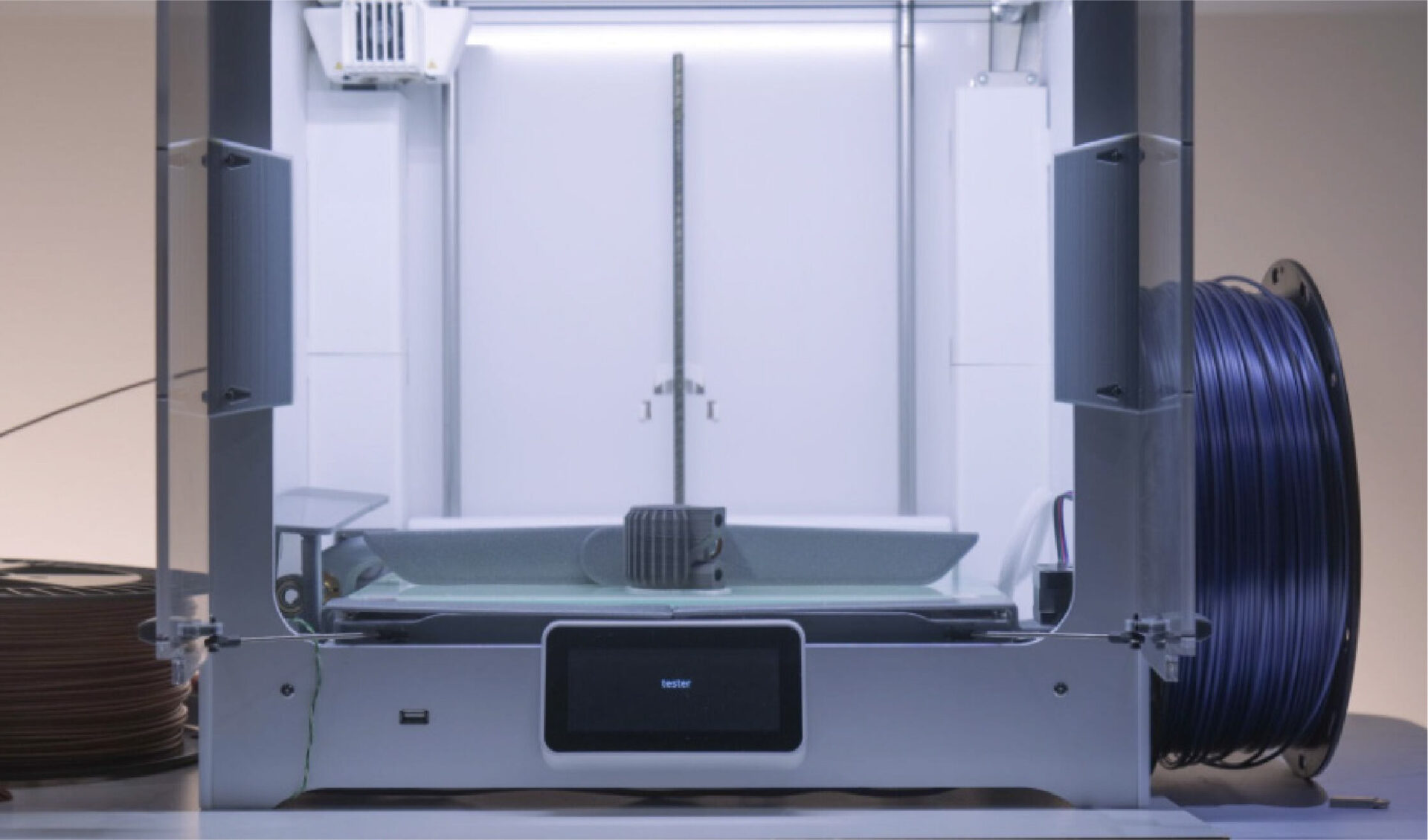
Fig (1) Quinly equipped Ultimaker
PolyCast™: Easily Removable
In this specific case, 3DQue automated metal 3D printing in a new and innovative way: Metal and PolyCast™ filament are extruded into build and support structures using a dual-head printer. PolyCast™ filament served as an effective raft material and was fully compatible with Quinly’s VAAPR™ surface. The printed rafts had excellent bed adhesion at 60°C and were fully released at 35°C. This allowed all parts to be autonomously removed from the printer via the wiper arm mechanism included in the Quinly for Ultimaker S5 automation system. The printer required only 10 minutes to cool and clear the print bed between print jobs.
Among a few other support materials 3DQue evaluated, PolyCast™ stood out for its performance in clean removal.
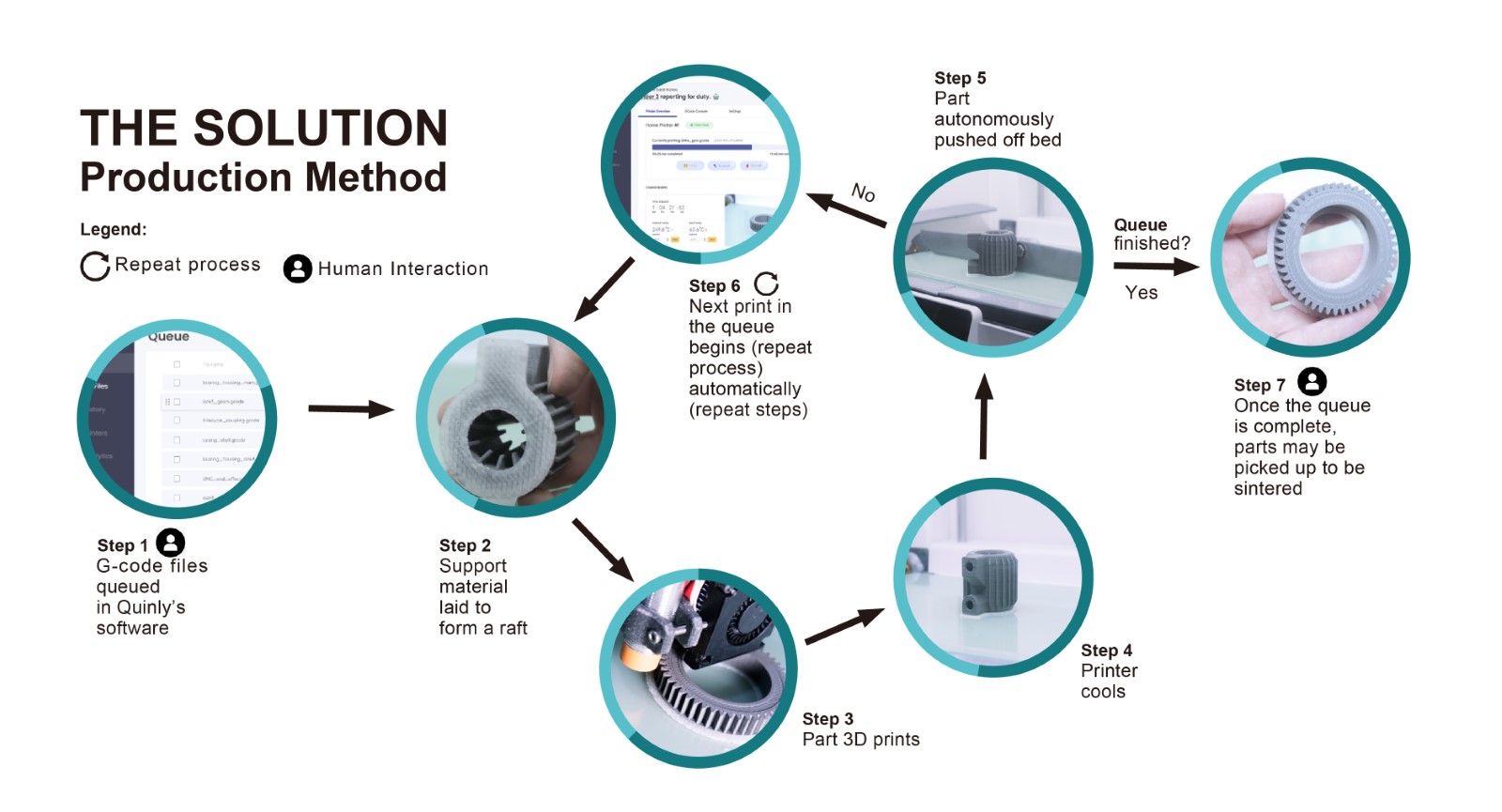
Fig (2) Flow chart for using Polycast™ as a support for metal prints before sintering
PolyCast™: Ash-Free
And then, printed parts were sintered with the rafts and supports in place. The PolyCast™ filament was burned away, leaving only 0.003% residue. Sintering without a raft was tested as well: the PolyCast™ rafts did not fuse with the metal filament and were easily removed by hand.
PolyCast™ is a PVB-based material designed for metal investment casting. It shares a similar formulation with the well-known PolySmooth™ and comes with ash-free technology that enables clean removal. PolyCast™ is also safe and easy to post-process. It is smoothable with IPA in Polysher™, or similar tools.
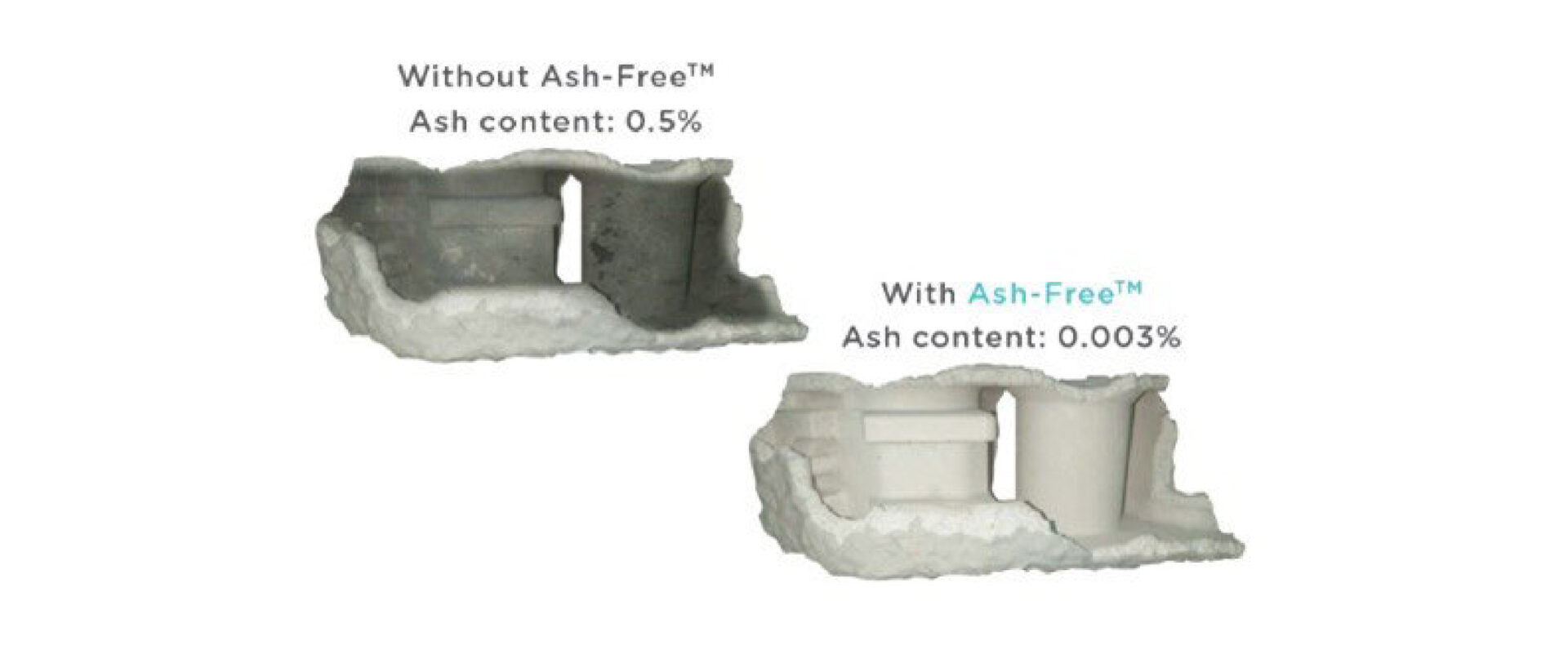
Fig (3) Ash content comparison between with Ash-Free and without Ash-Free
PolyCast™ rafts make Quinly fitted Ultimaker printers compatible with many metal filaments on the market. The raft easily slides off the bed once cooled, making metal filament bed adhesion issues a thing of the past.
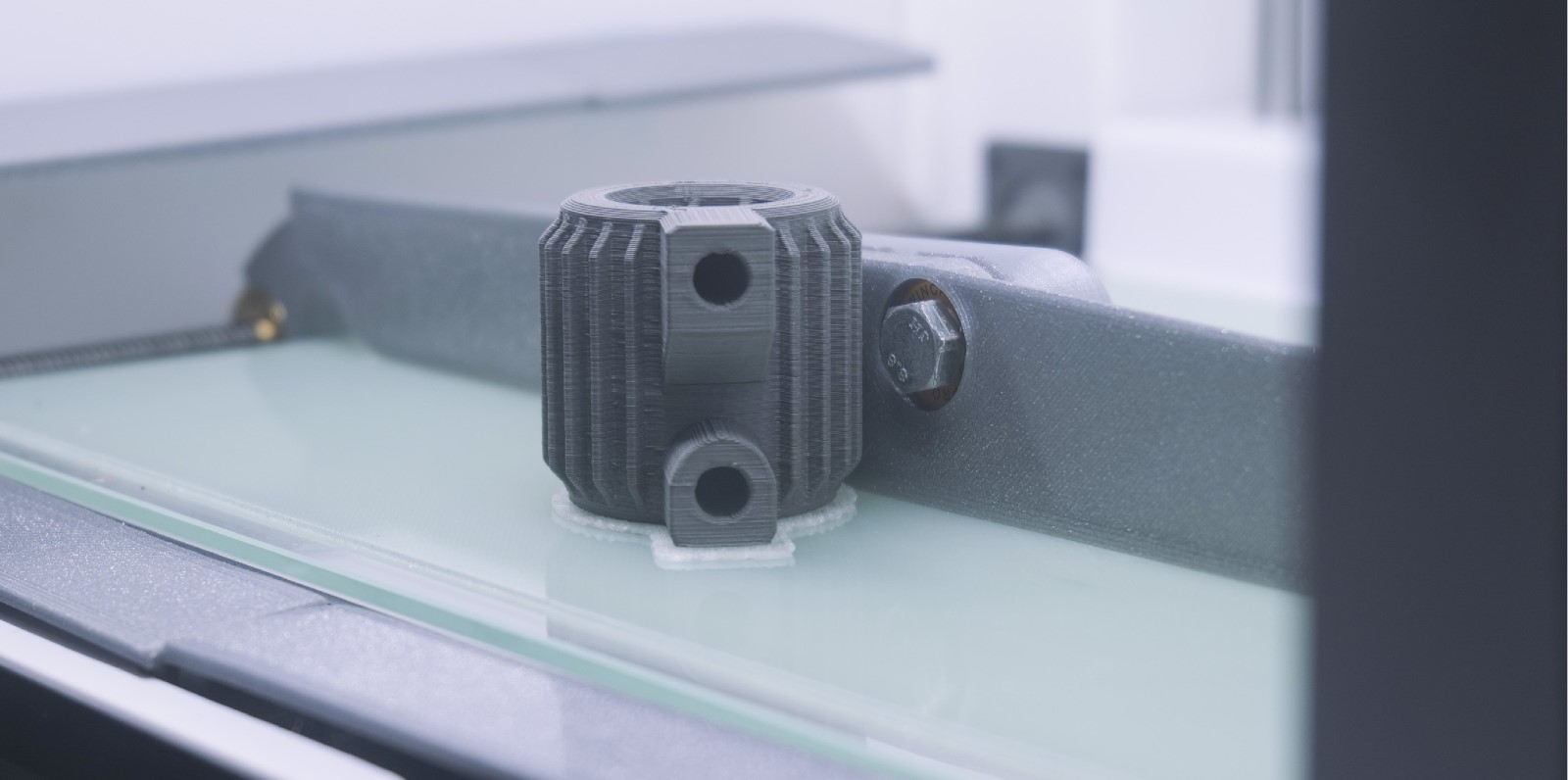
Demonstrated by 3Qque, PolyCast opens a potential avenue to mainstream manufacturing processes of metal parts. Beyond investment casting, in which PolyCast has gained significant attention, this case study brings an inspiring application of PolyCast. Due to the clean burnout nature of PolyCast, complex geometry in metal part fabrication is made possible by printing the PolyCast filament as support to the metal filament.
What’s more? Automation of the printing and part harvesting, enabled by systems such as Quinly, could make high-volume complex metal part production feasible and economically competitive.
Wisconsin Precision Casting Corporation (WPCC) is one of the leading investment casting companies that are using Ultimaker printers in combination with Polymaker filaments. WPCC has been using 3D printing for over 30 plus years. The use of printed patterns for prototype investment castings has become recognized by the industry but is yet used for massive production.PolyCast™, due to its dimension stability, print consistency, ability to polish, and low-ash feature, allowed them to streamline the investment casting process and significantly cut cost. Prior to usingPolyCast™, WPCC used several different methods including other forms of 3D printing, and wax injection to create customized patterns. They turned to Polycast in 2019 along with collaborating with Ultimaker printers.
PolyCast™ is a PVB-based material designed for metal investment casting. It shares a similar formulation with the well-known PolySmooth™ and comes with ash-free technology that enables clean burnout. PolyCast™ leaves an ash residue less than 0.003% after the burnout process operated at 600°C. PolyCast™ is also safe and easy to post-process. It is smoothable with IPA in PolySher™ or similar tools.
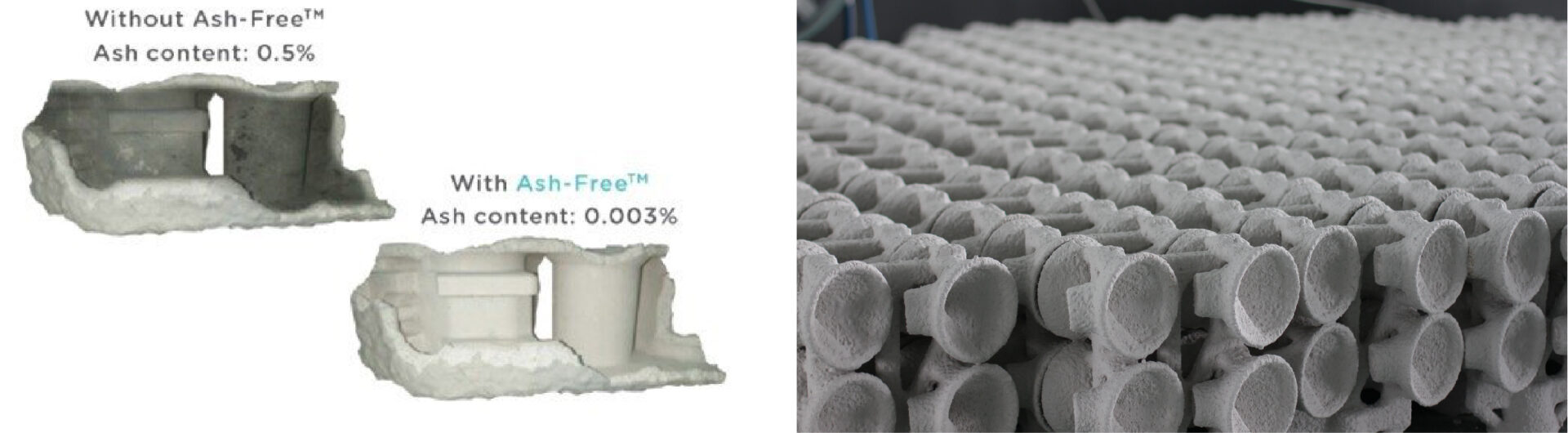
Figure(1) Comparison of ash content between with and without Ash-Free™
PolyCast™ is formulated to maintain excellent printability. By simply replacing the wax molding with PolyCast™ 3D printing, one could perform the rest of the investment casting process seamlessly. The nature of 3D printing, however, enables customization and iteration and significantly cuts down both the cost and lead time by eliminating the tooling process. The overall process of investment casting enabled by PolyCast™ is similar to the original process.
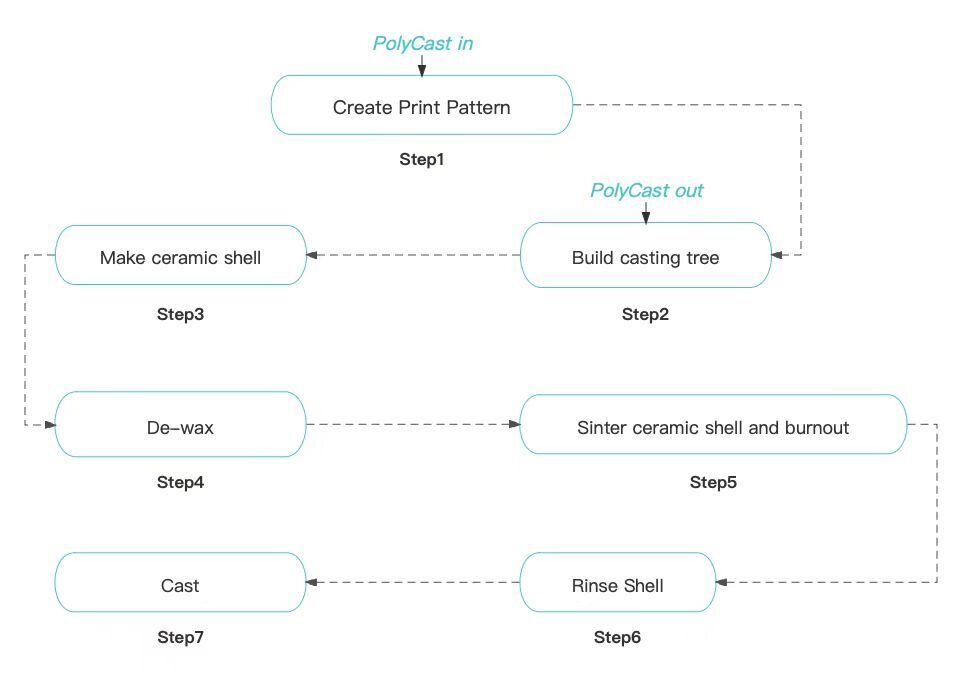
Figure(2) Flow chart of PolyCast™ in industrial investment casting
For example, WPCC found that it cost only $0.696 per cubic inch if PolyCast™ is used. It is less than one-third of the cost of the other pattern fabrication methods. During the testing process, they found that PolyCast™ -enabled process,
- Creates precise castings
- Is less expensive to print than purchased printed patterns
- Is faster to cast than purchased printed patterns
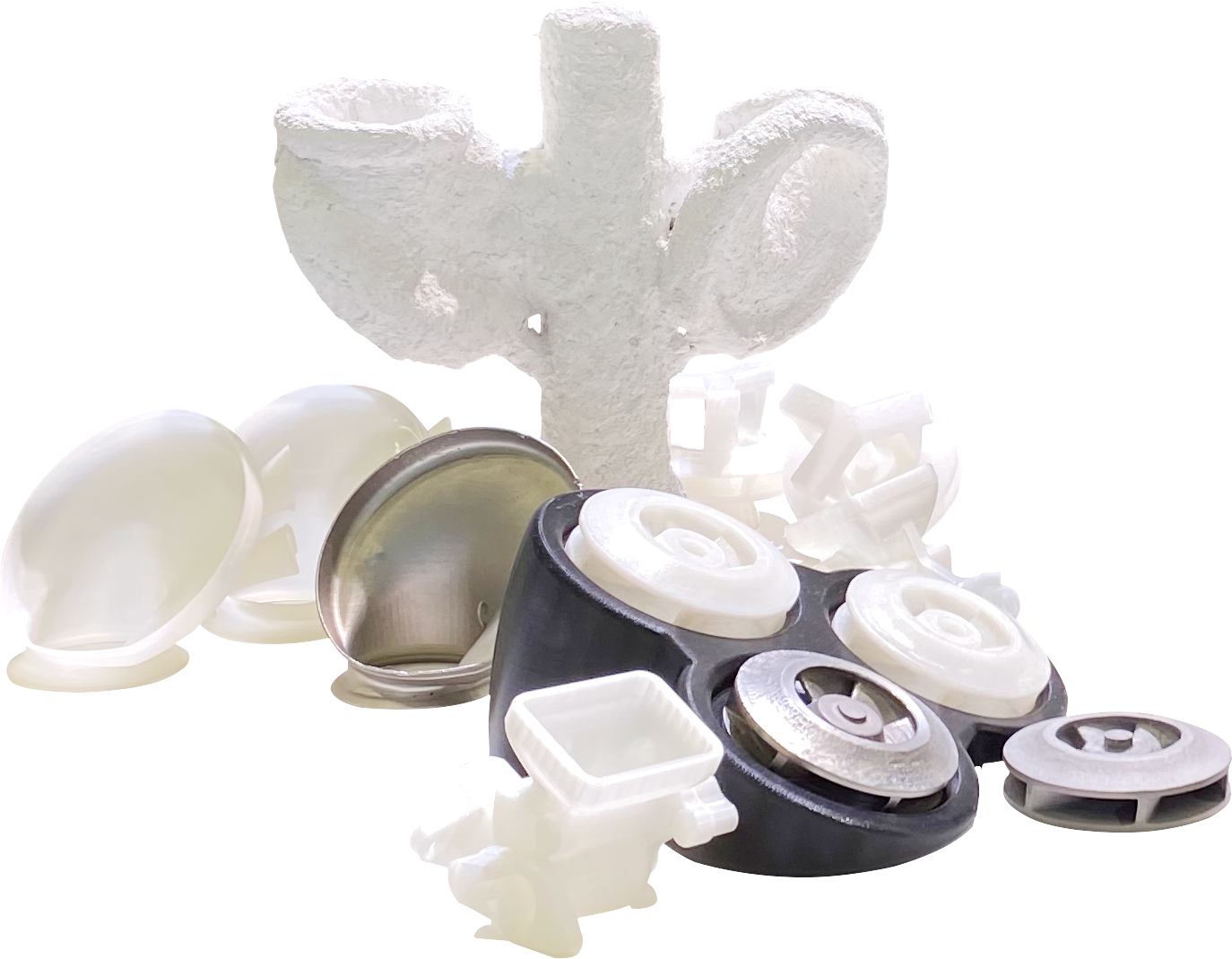
Figure(3) printing and casting parts from WPCC
Wisconsin Precision has used printed patterns for many years to create a prototype and low volume production castings. It is a key element of WPCC’s business strategy to provide rapid prototype investment castings for R&D projects and to acquire new customers.
The TJU Racing Team(Tongji University Racing Team) successfully announced their new racing car model, the TR21, at the 2021 New Car Model Public Announcement on October 12, 2021, in the 101 Lecture Hall of Jiren Building, Jiading Campus.
Polymaker participated in the event as one of the sponsors, and Cui Yue, a professional racer in the Porsche Carrera Cup Asia, was invited to drive the TR21.
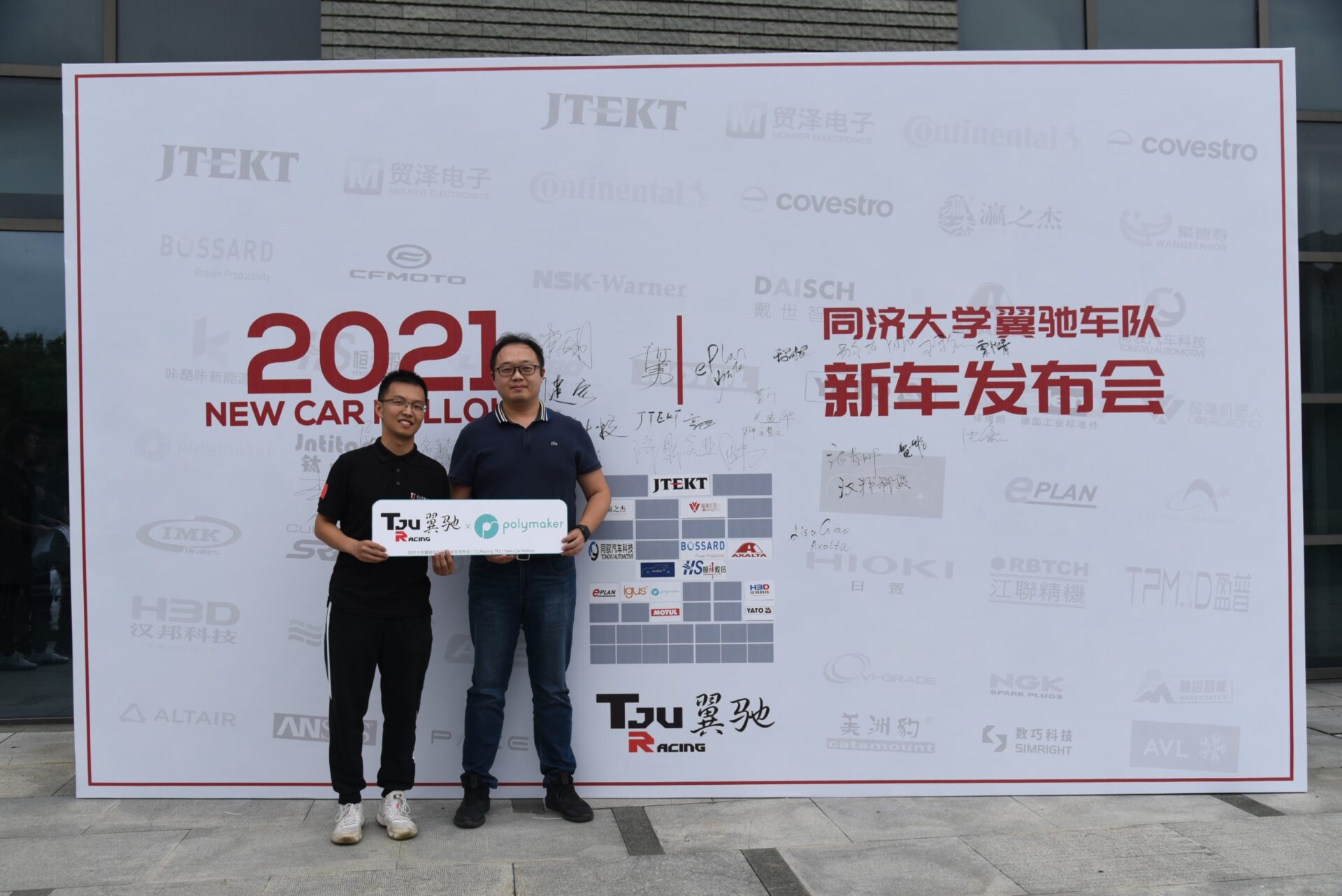
Picture 1 | Polymaker Attended the 2021 New Car Model Public Announcement of TJU Racing Team
The TR21 is the 14th racing car independently designed and manufactured by the TJU Racing Team. The new model achieves significant innovations over previous models, oftentimes by using Polymaker’s 3D printing materials.
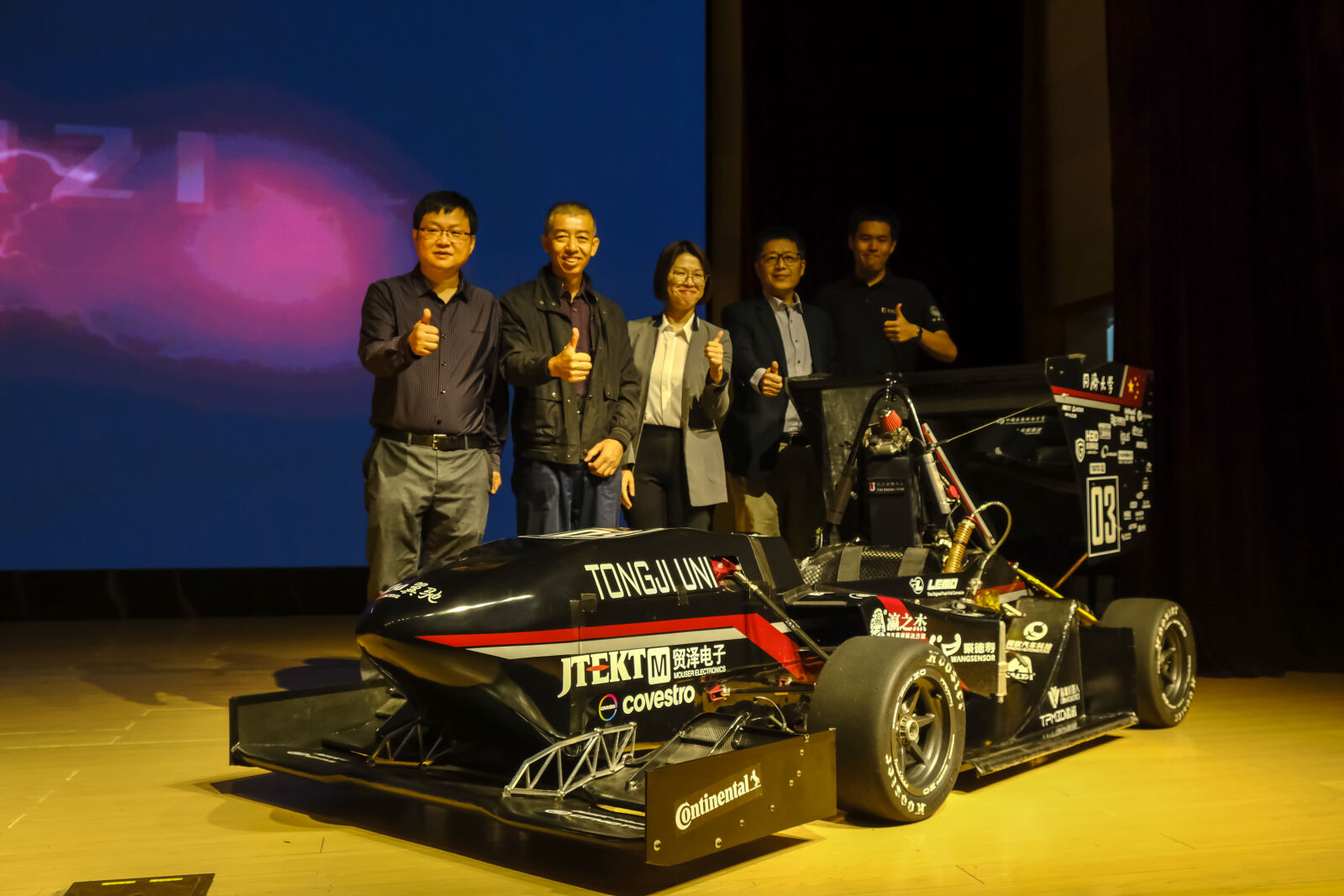
Picture 2 | Picture Stripes of TR21 Public Announcement
Strong Power Core
With the Triumph 675 3-cylinder engine as its power core, the TR21 uses a dry lubrication system, dual-cycle cooling system, and a more stable fuel supply system. The model is also equipped with a pure titanium exhaust muffler and hollow titanium alloy half-axles to reduce weight more efficiently. Having the power core and newly developed variable intake system work together heightens the performance of each part even further.
New Body Structure
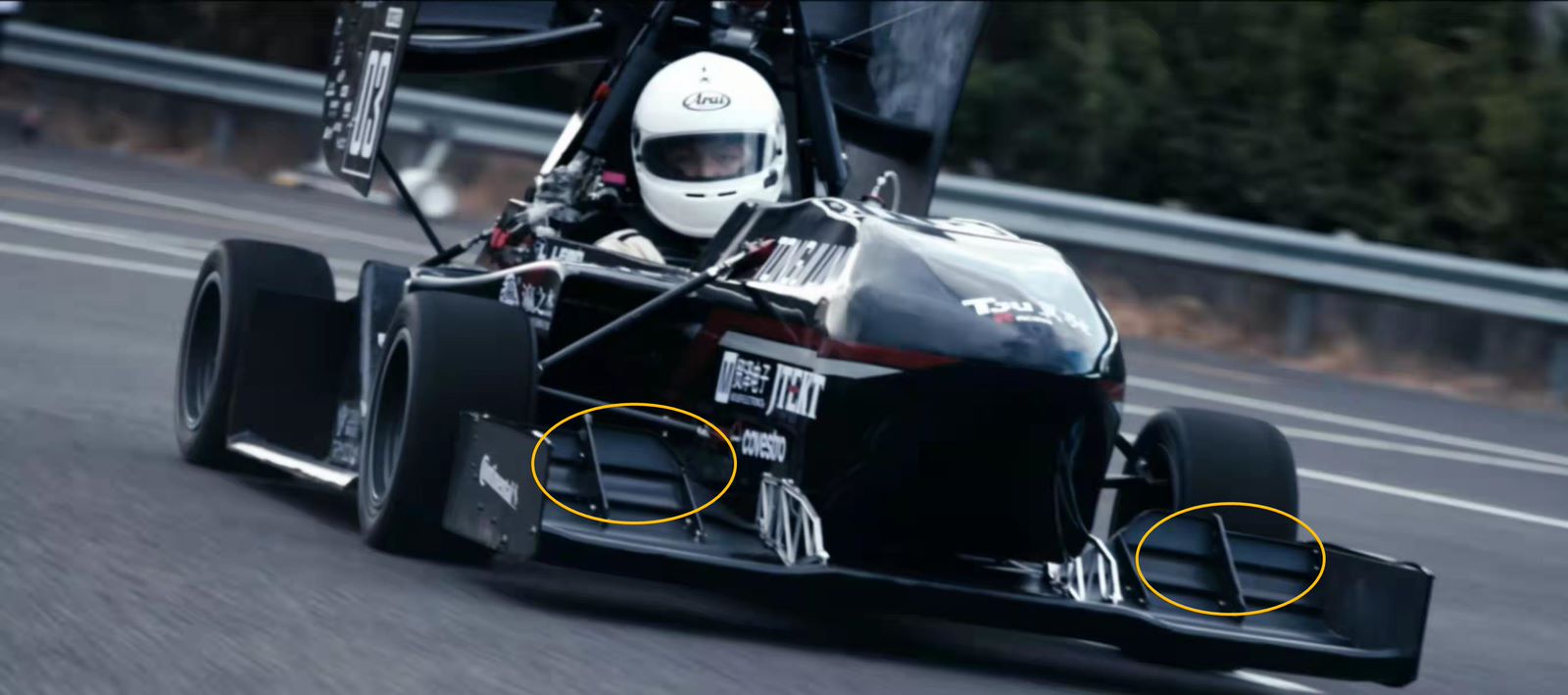
The TR21 adopts the body structure of a full monocoque, replacing the former structure of a mono-frame. The carbon fiber layer, aluminum honeycomb panels, and PMI foam are used to provide higher strength and torsional stiffness while also keeping the body lightweight to ensure ideal weight distribution. Key parts of the body, like monocoque inserts and aerodynamic wing ribs, use PolyMide™ CoPA from Polymaker as the base material to give the parts structural stiffness.
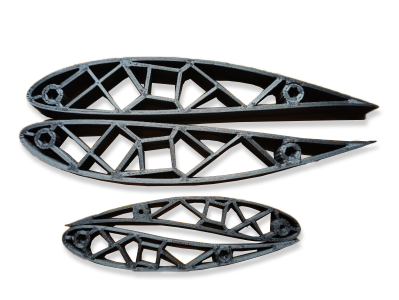 Picture 3 | 3D-printed Front Wing Rib using PolyMide™ CoPA
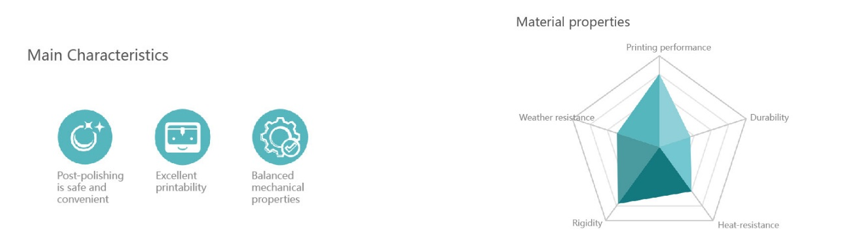
The PolyMide™ product series are 3D printing filaments developed from Nylon. By adopting Polymaker’s patented Warp-Free™ technology, PolyMide™ products not only have the same engineering performance as typical Nylon materials but are also easy to print with a minimum size limit. PolyMide™ CoPA was developed from a copolymer of Nylon-6 and Nylon-6,6, a material with balanced mechanical strength and toughness. Along with the good printability, this material gives dimensional stability with its temperature resistance up to 180˚C, making PolyMide™ CoPA an ideal material for parts like gears, engine mounts, pipe connectors, and high-speed airflow pipes that are used in harsh environments.
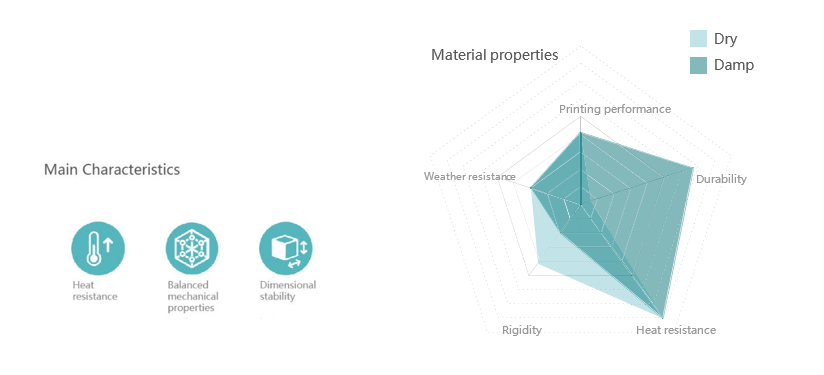
Picture 4 | Main Characteristics and Material Properties of PolyMide™ CoPA
Innovative Aerodynamic Devices Design
The upgraded body and aerodynamic devices of the TR21 are some of its biggest highlights. Aerodynamics, which dominates the car’s design, has always been the ultimate goal for the TJU Racing Team. After observing systematic design processes and multiphysics simulations, the new aerodynamic devices is able to reach a down force of up to 1075N at the speed of 20m/s, improving the car’s external flow and aerodynamic sensitivity while significantly enhancing its curve speed. The flow deflector in the aerodynamic devices was 3D printed using Polymaker’s PolyMax™ PC material. Not only did the 3D printing material increase the car’s aerodynamic performance, but it also greatly reduced the cost and hours required to produce the flow deflector, with the only sacrifice being structural weight.
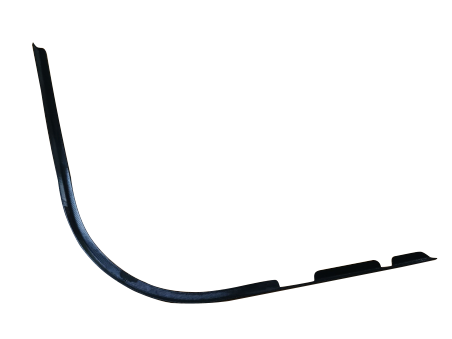
Picture 5 | 3D-printed Tail Deflector Using Polymaker PolyMax™ PC
The PolyMax™ product series are advanced 3D printing filaments produced by Polymaker’s patented Nano-Reinforcement technology, all of which have excellent mechanical properties and printing quality. PolyMax™ PC is a high-performance, polycarbonate-based filament boasting strength, toughness, heat resistance, and printing quality, lending itself to engineering applications, specifically when higher resistance for impact and vibration is needed, like in fixtures and fixing tools, furniture, small motor mounts, UAV, 3D printer parts, etc.
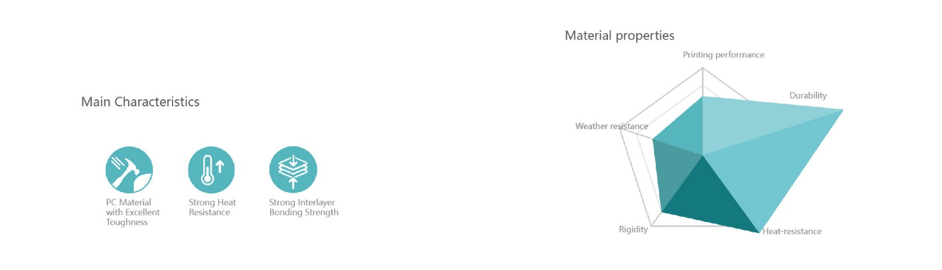
Picture 6 | Main Characteristics and Material Properties of PolyMax™ PC
Polymaker’s Polysmooth™ has also been used to print the front flap variable section, wing, and suspension lug cover for the TR21. Using alcohol-polishing in the materials’ post-processing allows the external flow of the whole vehicle to be optimized.
Picture 7 | 3D-printed Front Flap Using Polymaker’s PolySmooth™
PolySmooth™ is a unique and easy-to-print filament, specially designed for "freeing both hands" in post-processing. After printing with this material, Polysher™ is then applied to create a smooth surface. PolySmooth™ helps models that are difficult to polish be post-processed into a smooth surface, like statuettes or role-playing props, making PolySmooth™ optimal for product design and prototype creation as it produces a result similar to injection molding.
Picture 8 | Main Characteristics and Material Properties of PolySmooth ™
Brand New Chassis System
After a detailed analysis of tire characteristics, the original tires were replaced with Hoosier 16” high-performance racing slick tires. To match this tire, a new chassis system was designed for the TR21, equipped with a brake-by-wire stabilizing system to improve the vehicle’s dynamic performance.
Upgraded Electronic Control System
The TR21 continues to develop its electronic control system, using professional MoTeC ECU to have accurate control of the electronic throttle, pneumatic shift, and variable intake manifold while supporting wireless data acquisition. Also, the new steering wheel controller integrates radio communication, clutch-by-wire, brake-by-wire stability, ejection start control, traction control, and adjustment functions for various strategies, allowing drivers to enjoy its unlimited potential.
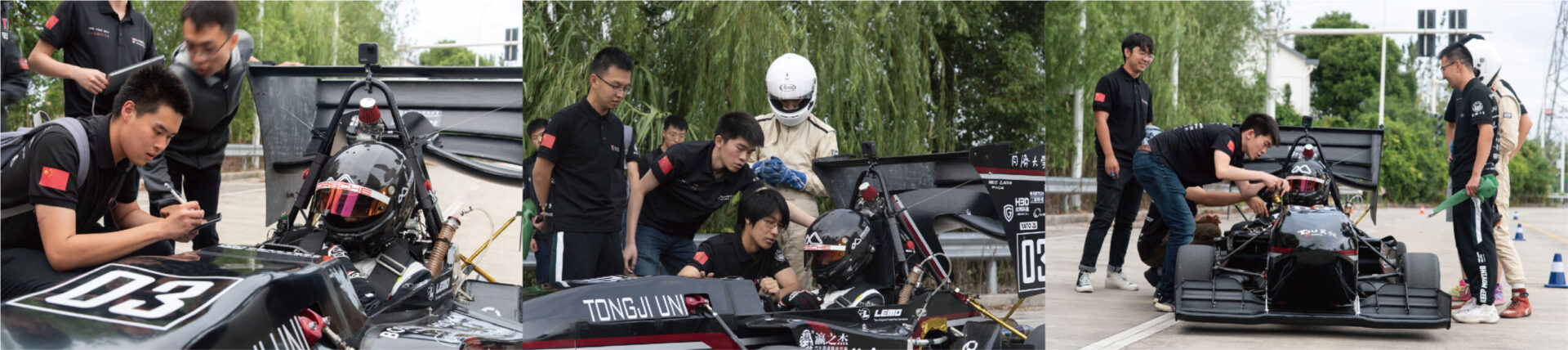
Picture 9 | TR21 Public Announcement Picture Groups
At this event, the TJU Racing Team announced their driverless vehicle plan for the first time, and they hope to see driverless technologies used in the next generation of TJU racing cars when they compete in the University Formula Race.
Polymaker has been actively involved in developing applications of 3D printing technology in the automotive and racing industry. Applying 3D printing materials allows for reduced costs, shortened production cycles, personalized customization, and lightweight parts to a certain extent. The diversity of Polymaker’s filaments also makes crafting different racing car parts more feasible, pushing the application of industrial-grade filament to be even more common. Polymaker's industrial-grade products include reinforced materials based on nylon mixed with carbon fibers and glass fibers, which improves their thermal properties and stiffness for interlayer bonding strength. There are also PC high fire-retardant materials and polymer alloy materials, both of which have high heat resistance and toughness.
We hope that 3D printing technology will be used widely when manufacturing and producing cars and racing cars in the near future.
Polymaker unveiled the "Liuyun Bridge", a 3D printed polymer bridge built jointly by Shanghai Construction Group Co., Ltd., Polymaker, and Shanghai Kuying Technology Co., Ltd., in Yimahe Park, Longquanyi District, Chengdu in 2021. Inspired by the free-flowing shape of the stagecoach and dancing silk, “Liuyun Bridge” achieves bold innovations in landscape design using new technology and materials unlike ever before while managing to overcome many obstacles in the 3D printing process. Polymaker was largely responsible for the conception and completion of this project, providing the materials and spearheading the exploration of landscape bridge design.
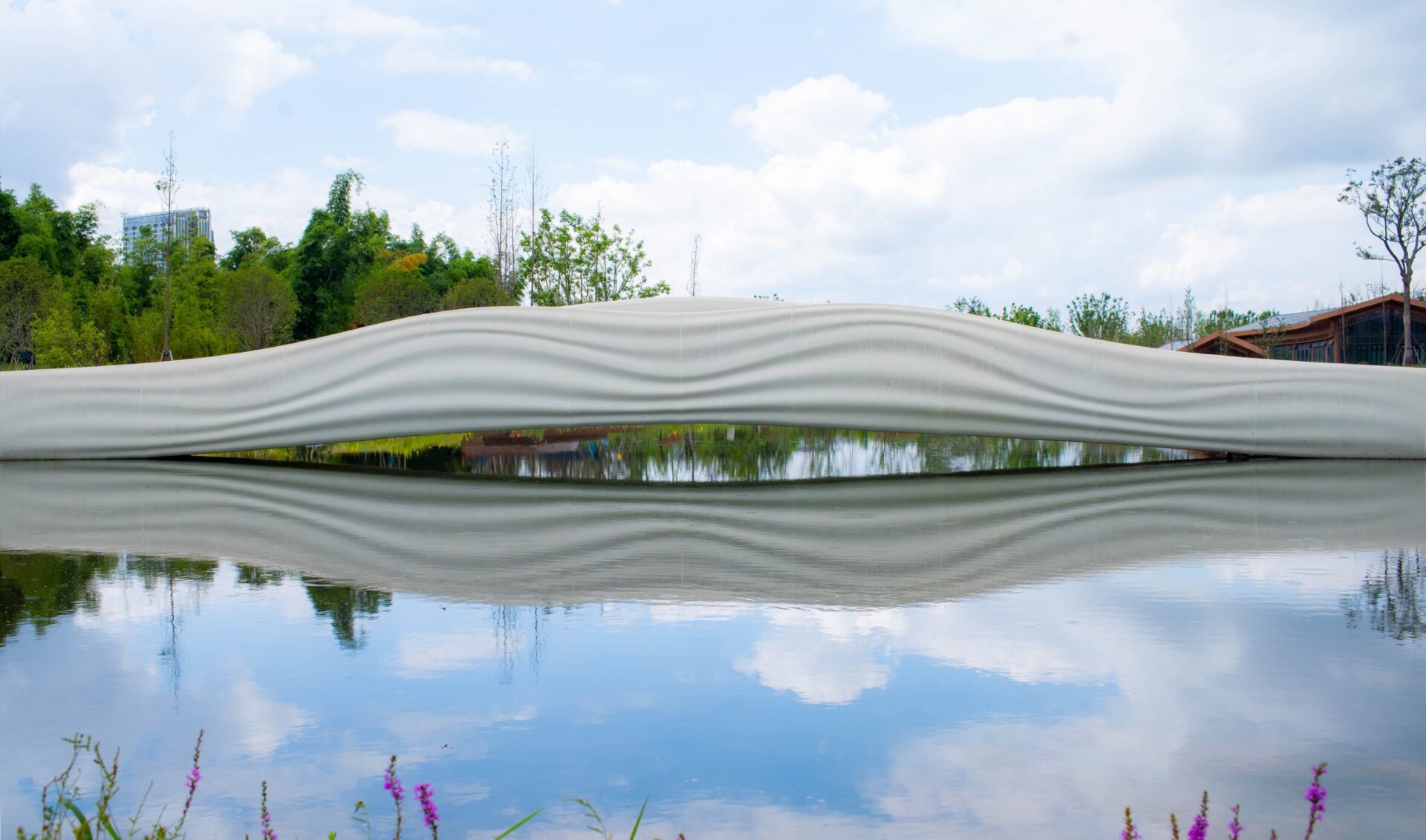
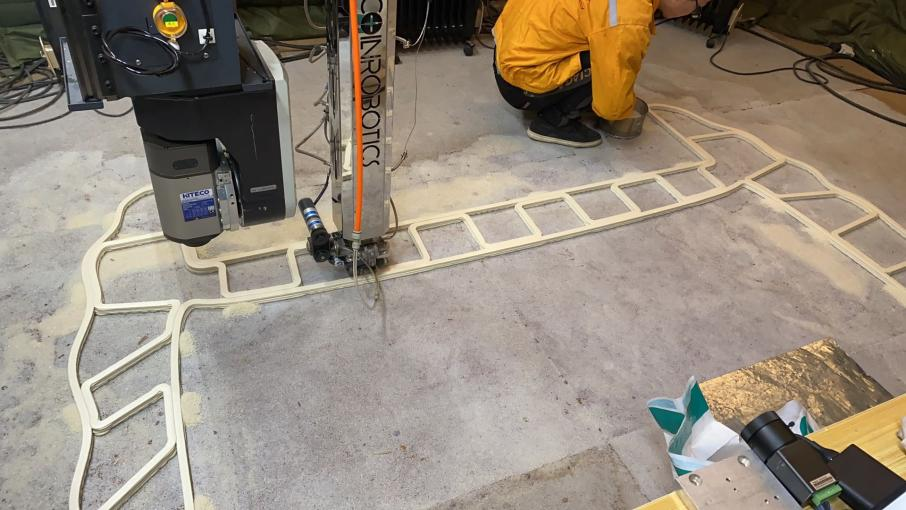
The printing process of "Liuyun Bridge"
Innovating on the printing process, the “Liuyun Bridge” takes advantage of Polymaker’s materials and creatively employs new technology to complete its construction not only quicker, but also with higher quality. The bridge manages to shorten its construction period using the Kuying Tech’s 5-Axis Milling and Additive Manufacturing Integrated Machine (BGAM), which allows for uninterrupted 3D printing to continuously occur at all hours of the day without any manual interaction, finishing the printing of “Liuyun Bridge’s” main components in only thirty-five days.
Polymaker guarantees the bridge’s stability and safety for years to come with their polymer pellets PolyCore™ ASA-3012, a material with excellent anti-aging. Another new method used to improve the printing process, closed-loop printing ensures there are minimal deformations by monitoring the temperature of the material during the printing process. The “Liuyun Bridge” consumes several tons of materials to finally complete its construction by printing segmented components to be assembled on site. Heavily dependent on Polymaker and their materials, “Liuyun Bridge” is a one-of-a-kind landscape bridge that only found its success through Polymaker.
A tremendous feat for 3D printing like the “Liuyun Bridge” never could have been accomplished without the collaboration between Shanghai Construction Group Co., Ltd., Polymaker, and Shanghai Kuying Co., Ltd. The actual design for the bridge was a product from both Shanghai Construction Group Co., Ltd. and Polymaker while Shanghai Kuying Co., Ltd. was responsible for the technology that let the material reach its fullest potential, crafting the bridge’s components with few errors and in an extremely short amount of time. However, Polymaker’s PolyCore™ ASA-3012 laid the foundation for this incredible achievement in 3D printing as the material made the design feasible in reality and continues to support its everyday use.
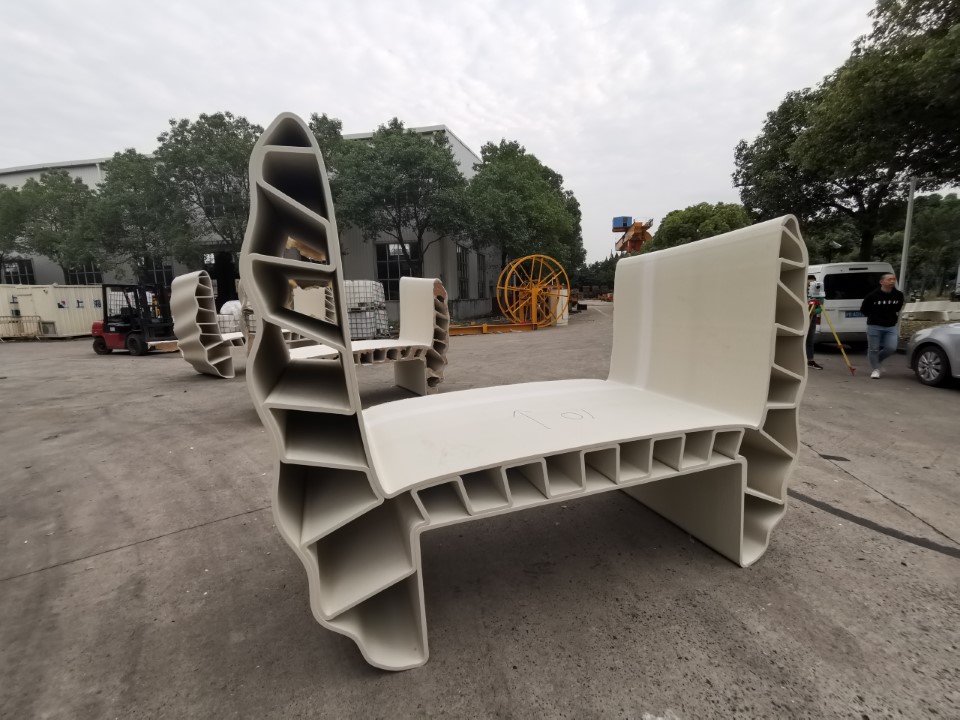
Materials used for “Liuyun Bridge”
The “Liuyun Bridge” used many new methods specific to Polymaker’s material to expand on the bridge’s performance. As the optimal material for the bridge, PolyCore™ ASA-3012 has mechanical properties suited for outdoor use and works specifically for large 3D prints, enhancing their dimensional stability and interlayer adhesion. Currently, most additive manufacturing technologies result in residual stress and warpage when using the fused deposition molding process. However, “Liuyun Bridge” incorporates a multi-factor analysis method, controlling ambient temperature and the three-stage melting of materials with different parameters like temperature, glass transition temperature, and single-layer printing time, to prevent any warping or deformations caused by rapid cooling.
During the printing process, heating the workspace before and after printing strengthens the layer-by-layer adhesion of the 3D printed materials, further reducing any possible problems with the printed components. Allowing the design of “Liuyun Bridge” to be fully realized, the high-precision five-axis CNC processing system of Kuying’s BGAM removes the typical margin of error reserved for printing deformations and heightens the accuracy of segmented printing components. With Polymaker’s PolyCore™ ASA-3012 being so advantageous, it solves many previous printing issues while still bolstering “Liuyun Bridge’s” stability and structure.
“Liuyun Bridge” is not the first bridge to use 3D printing technology though. Polymaker has worked in the construction of a few other 3D printed bridges, both at home and abroad, to realize new breakthroughs and accomplishments on each of their projects.
Polymaker’s 3D printed bridges in China
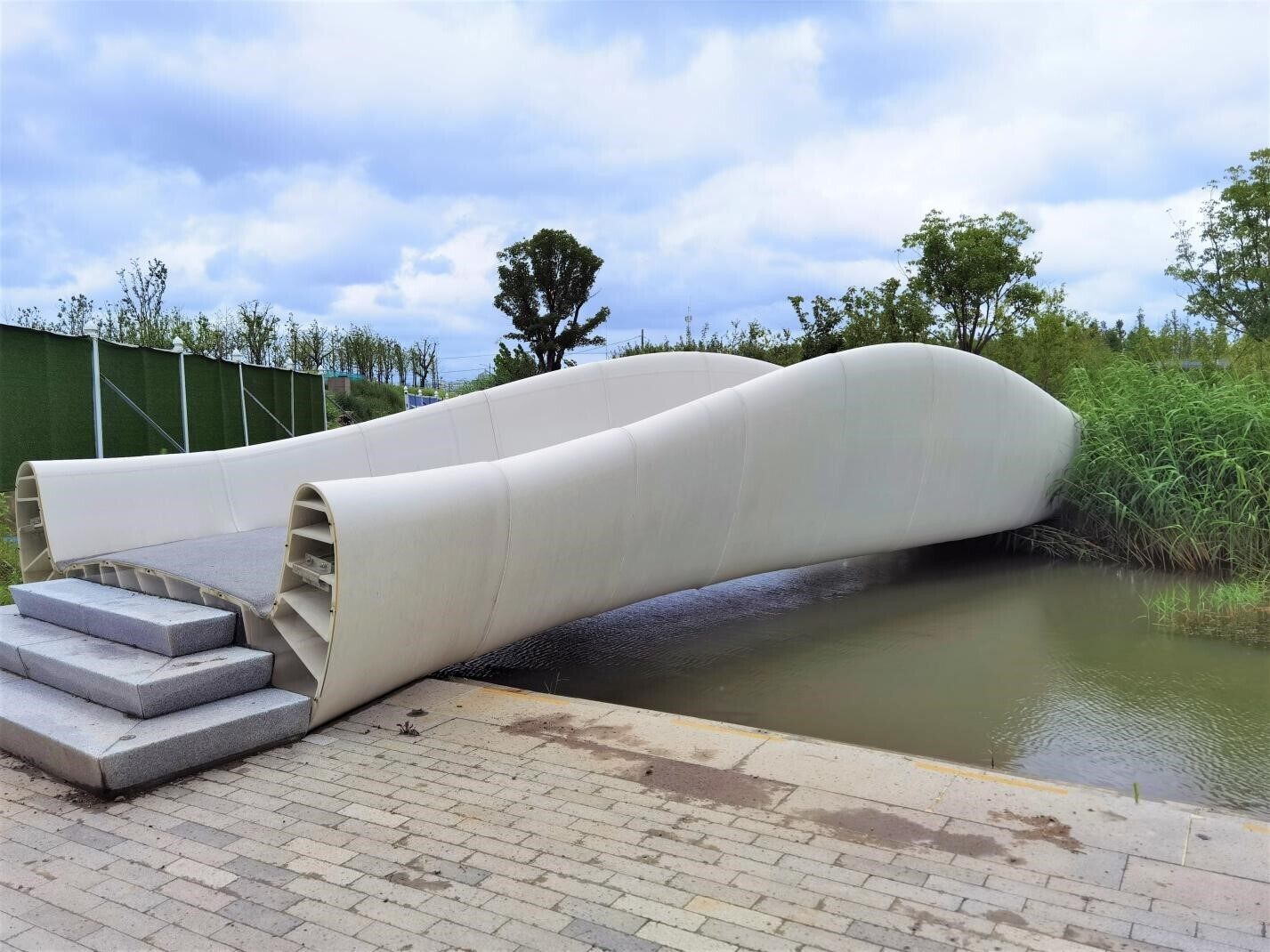
Shanghai Taopu Central Park Bridge
In 2019, China’s first composite landscape bridge was constructed in Shanghai Taopu Central Park by Shanghai Construction Group Co., Ltd., Polymaker, and Shanghai Kuying Technology Co., Ltd. As the first composite landscape bridge with one-time molding and a multi-dimensional curved surface, the Taopu Central Park Bridge breaks through the shackles of traditional bridge design and frees the landscape bridge to be more flexible and diverse in space. Like with “Liuyun Bridge”, the Taopu Central Park Bridge owes its conception and dynamic shape to Polymaker and their materials.
The printing process of this 3D printed landscape bridge went through nearly one hundred printing tests to be continuously optimized. The super-large gantry 3D printer, jointly developed by Shanghai Construction Group Co., Ltd. and Kuying Technology Co., Ltd., allows for more diverse printing of larger sizes while still improving the printing’s accuracy. The Taopu Central Park Bridge is also composed of Polymaker's PolyCore™ ASA-3012 material, so the bridge can withstand long-term exposure to the sun and rain.
Quanzhou Bridge
Polymaker installed China’s second 3D printed bridge in the ecological belt of Baiqi Lake in Quanzhou, Fujian in 2019 as the second collaboration between Shanghai Construction Group Co., Ltd., Polymaker, and Shanghai Kuying Technology Co., Ltd. Spanning 17.5 meters, the Quanzhou Bridge also uses Polymaker’s PolyCore™ ASA-3012 material for its body and drastically improves on the manufacturing time of traditional concrete grouting, completing its construction in only five weeks.
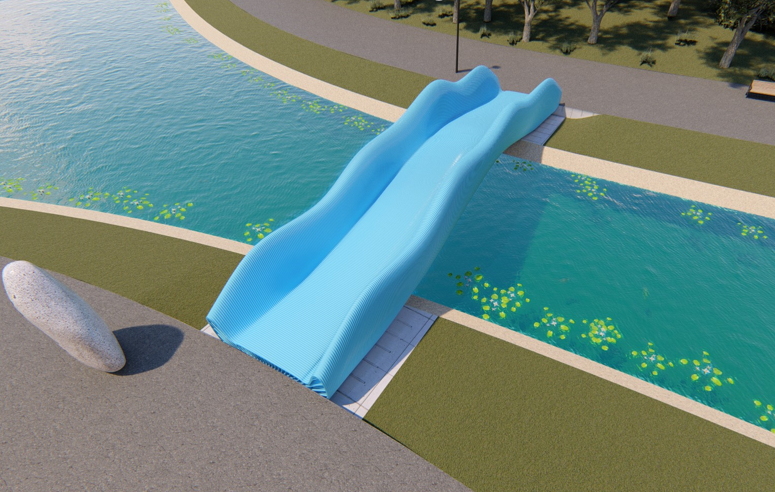
With the bridge’s manufacturing saving a considerable amount of time, it continues to compete with traditional grouting by providing strength that can withstand a pressure of two kilonewtons for each square meter, guaranteeing its ability to carry any amount of traffic. The Quanzhou Bridge utilizes a segmented design, unlike the Taopu Central Park Bridge, allowing its segments to be connected through a unique link mechanism to meet necessary mechanical requirements. Together, Polymaker's PolyCore™ ASA-3012 and the BGAM print the different components of the bridge to be assembled and painted for the finished construction, like with the printing process of the “Liuyun Bridge”.
The future of 3D printed bridges
Polymaker plays a role throughout the entire process of their 3D printed landscape bridges, covering many different facets from modeling, construction, and conception to data design. 3D printing technology truly emphasizes the "link of artistic inspiration with the power of science and technology" by pushing both sides to reach a product that stands above expectations. Polymaker’s application of 3D printing technology in landscape design greatly expands opportunities for technological innovation and exploration in the industry.
With 3D printing technology only continuing to grow, it has become an important consideration in constructing footbridges and large-sized printing quicker, with more cost effectiveness, and in a sustainable manner. Large-sized printing solutions are becoming more and more popular in different fields too, and Polymaker wants to fuel their growth by actively developing and producing materials that can bring ambitious projects to reality.
Without the material Polymaker has been creating, 3D printed bridges would never be as developed as they are now because Polymaker’s material not only provides the flexibility to meet any design’s needs, but also the strength to sustain the bridge for many years. Polymaker advances the world of 3D printing in more ways than only with their materials though. Their passion to push the industry and venture into unexplored territory has given 3D printing new capabilities and unimaginable possibilities.
Shanghai Construction Group Co., Ltd.:
Shanghai Construction Group Co., Ltd. is a leading enterprise in China's construction industry, ranking among the world's top 500 companies. Over the past sixty years, Shanghai Construction Group Co., Ltd. has repeatedly set records in the history of engineering construction in China and even in the world. It has contributed to many excellent projects in more than 100 cities across the country and in more than 30 countries and regions around the world. In recent years, Shanghai Construction Group Co., Ltd. has made every effort to promote national development, strengthen the synergy of the entire industry chain, and continue to form new commanding heights in business areas such as urban renewal, water conservancy, environmental governance, digital industrial construction, and construction services. They are now accelerating construction to become a widely acclaimed service provider for the whole life cycle of construction.
Shanghai Kuying Technology Co., Ltd.:
Shanghai Kuying Technology Co., Ltd. is a high-tech enterprise specializing in the research and development of super-large 3D printing solutions. The company adheres to the concept of "exploring future manufacturing methods" and is based on the innovative model of "integration of addition and reduction of materials, research and development of new materials, and intelligent control" in order to help manufacturing companies reduce costs and improve efficiency. The company’s existing intelligent equipment products include the Tech’s 5-Axis Milling and Additive Manufacturing Intergrated (BGAM), the high-speed pellet printer (SGAM), and the robotic additive manufacturing system (BRAM). These main products are widely used in architectural landscape, aerospace, shipbuilding, rail transit, energy, automobiles, medical products, and many other industries.
As one of the 20 art installations in ‘Design Shanghai 2021’, "Digital Circular Pavilion" is another innovative work of digital artist, Zihan Zhao, founder of the Spazio Z design studio. The sculpture is standing in front of the old Shikumen building in Xintiandi, Shanghai, with branches growing upward, and gradually forming an organic space to escape from the urban style of downtown Shanghai. The white surface finish of the installation contrasts strongly with the dark gray background color of Shikumen, attracting passers-by to explore and connect within.
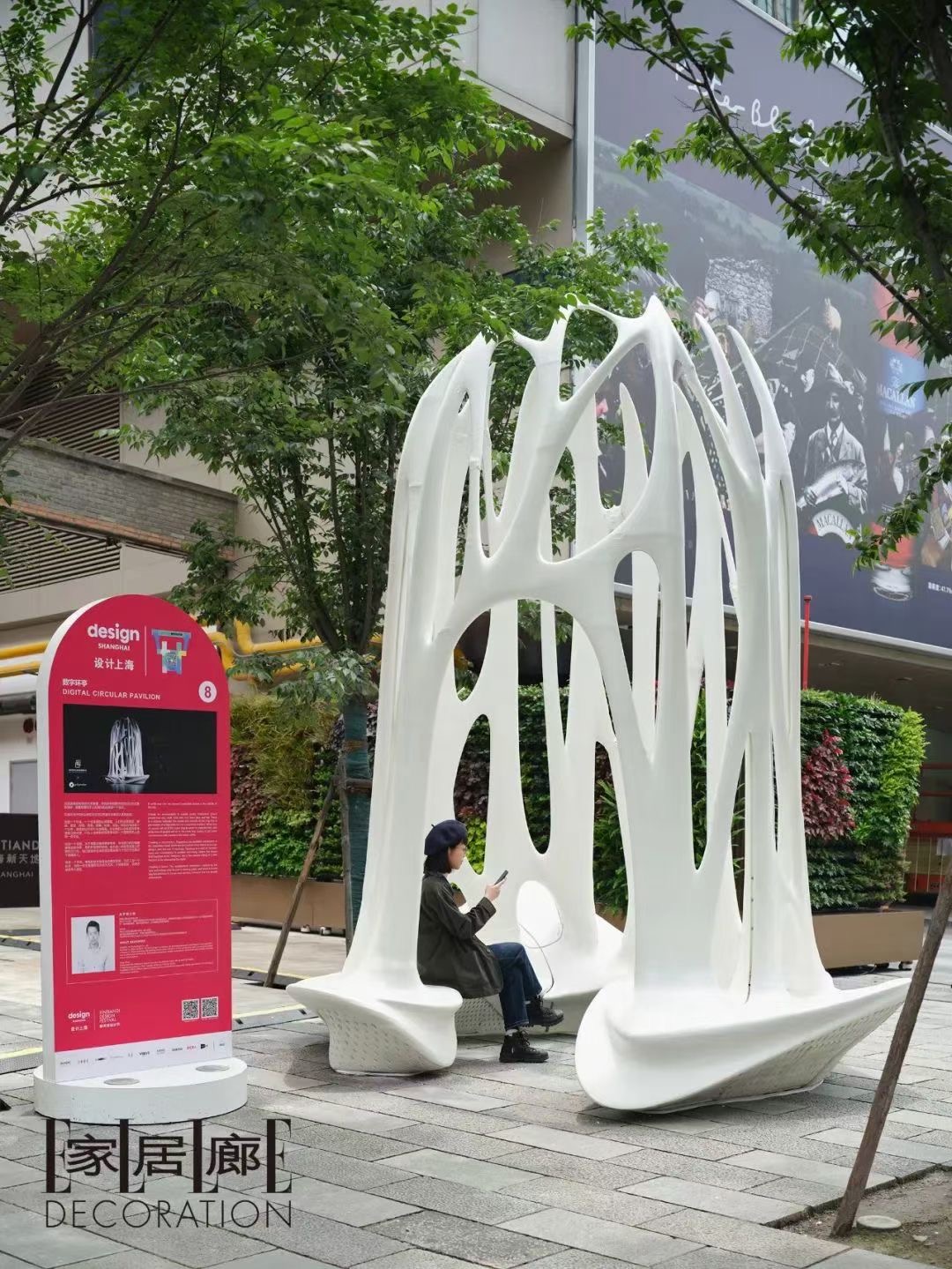
Primarily focusing on the creation of digital art, 3D printing has become the go-to medium, transitioning digital artwork created in Spazio Z into the physical space. To achieve this, the studio has created several custom built large format 3D printers using FFF technology to create modular parts which can be assembled into a larger structure.
The Digital Circular Pavilion is the latest work to emerge from the studio. Printed in 800kg of Polymaker’s L3003, an industrial PLA filament designed for high volume printing in production, print farms and large projects. The individual sections of the pavilion are bolted together onto an aluminum armature which allows for easy assembly on site. The pavilion sections have been post-processed into one homogenous organic form by coating the printed surfaces in polyester filler and sanding smooth. This coating process helps to strengthen and protect the PLA from UV and heat radiation and provides a clean smooth surface which translates the form of the design, avoiding any textures or layer lines.
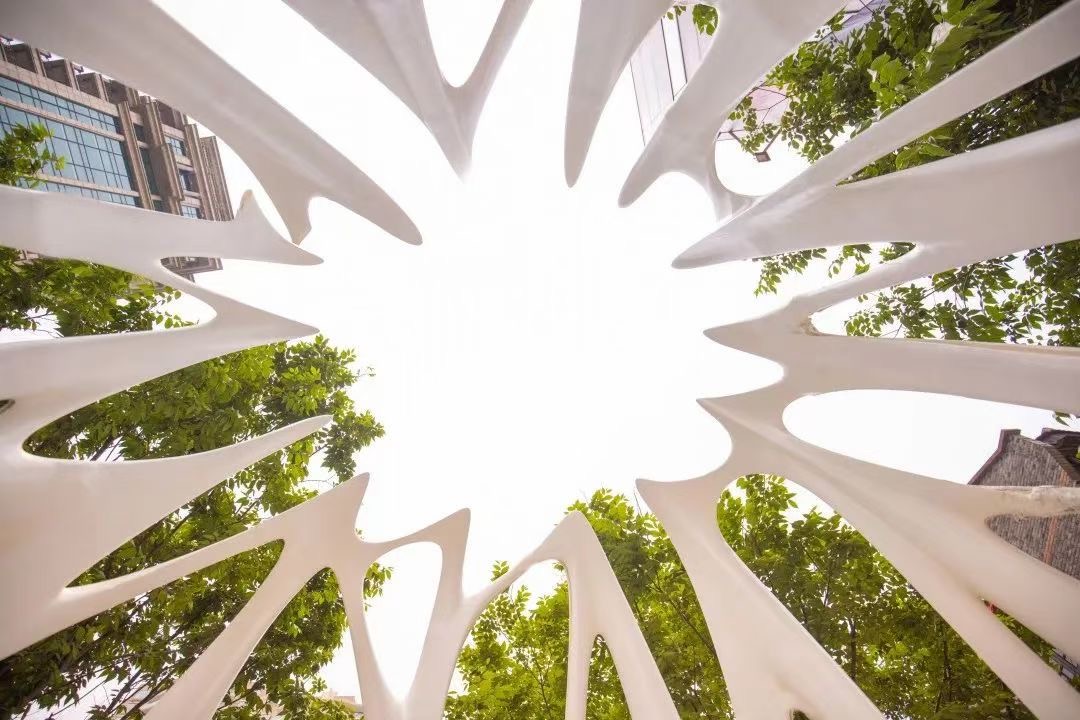
During the inspiration for the design, Zhao Zihan had one question in mind: How do we connect the independent and unrelated people in the city? People are invariably disordered and unpredictable. As a designer, all pre-planning is hypothetical. As a space device, how to realize people's exploration in the city block, social and self-satisfaction is generally accidental every time. Therefore, such a device is more of a medium, carrying a variety of space possibilities in order to bring people together.
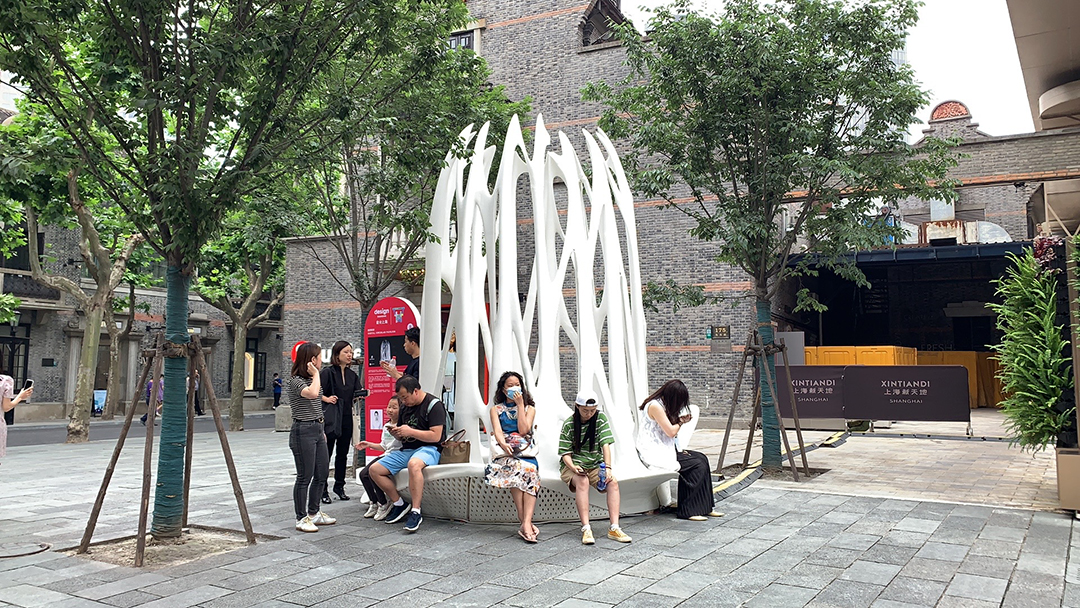
"Digital Circular Pavilion" is a relatively transparent structure, but it still has the function of isolation. The circular form is a natural separation figure, the outer circle is open for visitors to sit and rest. While the inner circle is semi closed, which provides the possibility for a relatively private conversation. At the beginning of the concept, Zihan drew lines of different thickness, depth and density, reflecting the randomness and disorder of human activities, and then simulated them into topological forms through digital technology.
For this work, Zihan Zhao is more inclined to call it "an artistic landscape product", because the artistic expression of its form is far more than its function.
From sketch to parametric model, Zhao Zihan and his team members made a detailed and in-depth analysis on the physical force, overall load-bearing, structural curvature and other factors of a single module. After detailed analysis it was determined that PLA could be a suitable material when backed with an aluminum armature and coated in polyester filler. While there are materials with better mechanical properties available, the reliability and printability of PLA made this project possible. Spazio Z takes advantage of their own 3D printing factory, which can fully demonstrate the printing efficiency, assembly process, cost control and other aspects of production. This allowed more than three square meters of walls to be produced for load testing prior to final construction. Finally, Spazio Z completed the work at a lower cost than the same type of building using traditional methods.
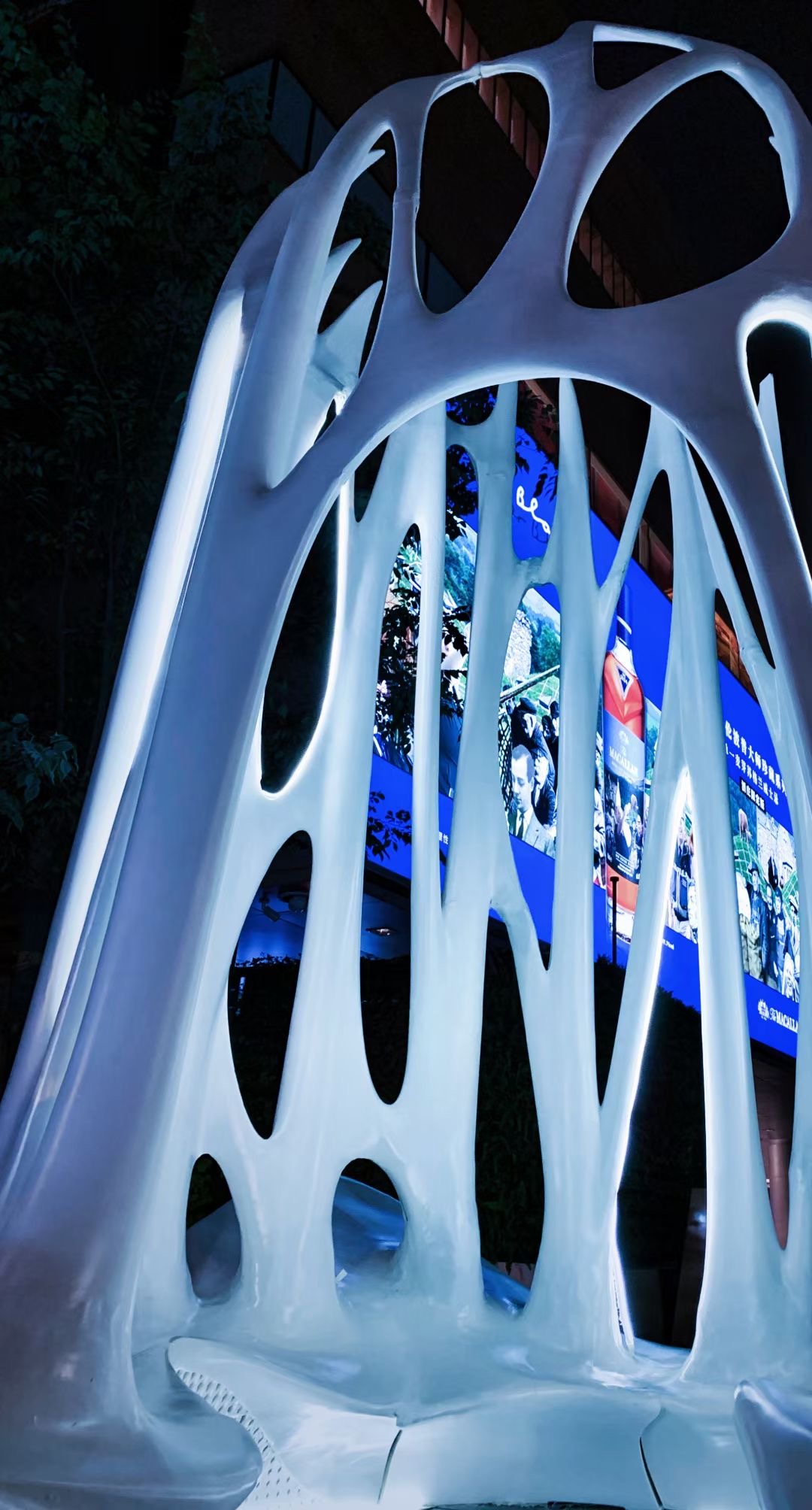
Through the joint operation of 100 large-scale 3D printers, each module is printed separately in one month, and then assembled into five large module groups, which are transported to the site to complete the final assembly and fixation through aluminum alloy components. At the end of the exhibition, it can also be disassembled and recycled.
Zhao Zihan implanted his expectation in "Digital Circular Pavilion": to create a future in which devices or buildings can be reconstructed by digital technology
“Maybe it's just a starting point. When one day it's so common that it is not rare and fancy any more, it shows that it has become very popular." – Zihan
At that time, Zhao Zihan will also explore a new starting point, and the experiment to verify the interaction between architecture and human will never end.

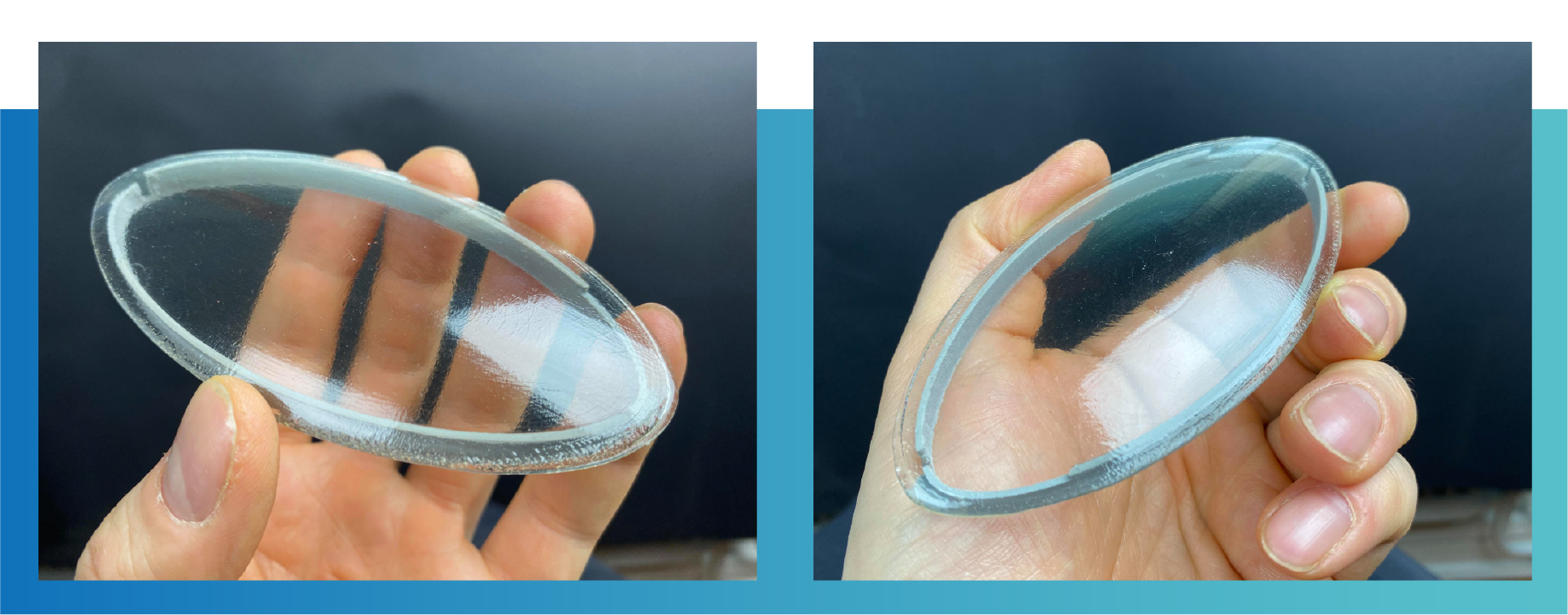
Perfectly clear 3D printed parts are possible with PolySmooth™ and here is the story of one of our customers. Mattias has shared with us his process creating a pair of lenses for the kitchen fan lights.
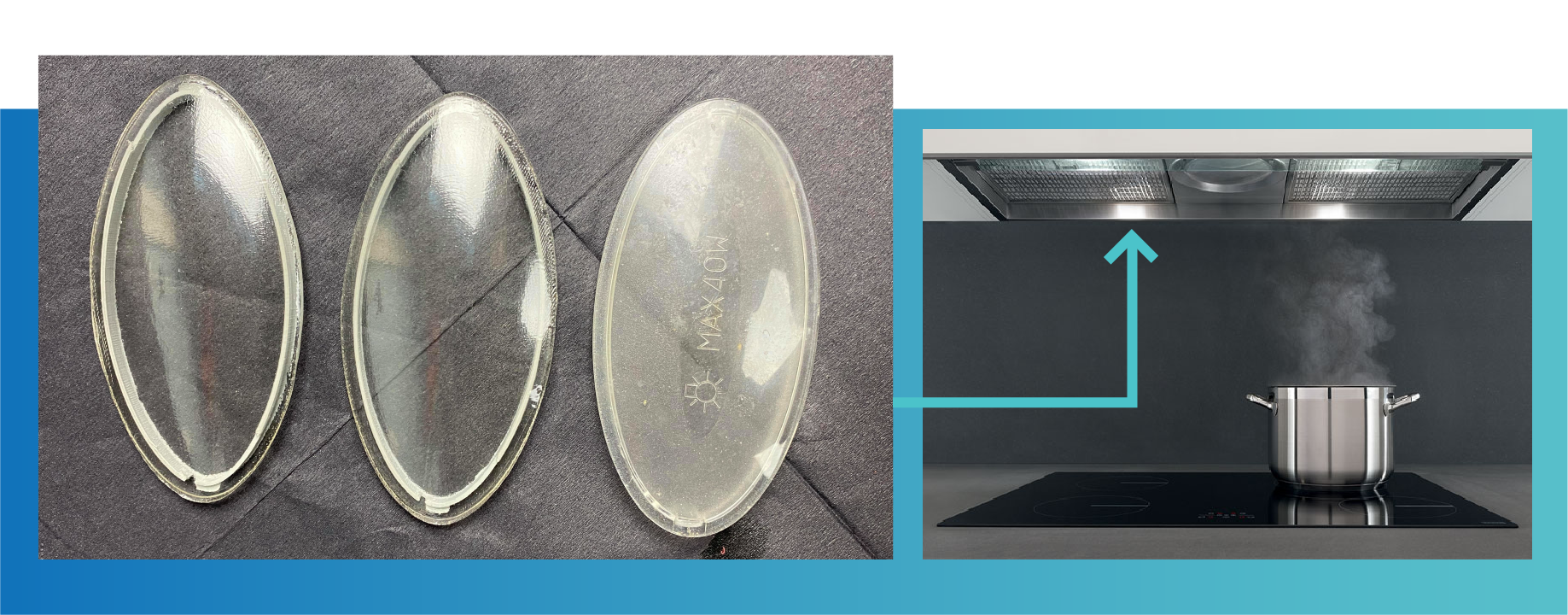
From: Mattias Lundberg
July 22nd 2021
I made a thing! well, two actually. I needed to fix something in my home and like so many times before I resorted to 3d printing and my favourite filament Polysmooth. Hi, My name is Mattias Lundberg and I love 3D printing. I´ve been doing this as a hobbyist for 6 years now and love to make the impossible possible and to push the limits just to be able to hold the printed part in my hand or see it functioning the
way it was intended.
My task at hand this time was the light covers on my kitchen fan. Originally the lamps were very hot so my first attempt three years ago was with a super clear heat resistant material that...melted. But I realised that after all these years the original lights had been phased out to LEDs. THEY dont produce heat! Bingo! Lets try Polysmooth transparent!
The object this time is a simple yet complex shape that had to be separated into the lens as one part and the frame with clips as the other. The frame with flexible clips had to be printed separately with a 0.4 nozzle while the lens must be printed with a thicker nozzle and only as a single perimeter wall.
This products really is made for resin printing but when you are hell bent to make it with an FDM printer that's what you gotta do right.
Something really important in order to reach success is to know not only your personal limitations but also the slicers, printers and the filaments limitations and roll with it and use them to your advantage. In short, trick the printer and filament in doing what you want it to.
I tried many different orientations and techniques and had a lot of failed prints and semi good results until I found the way!
This is a round bulgy object, it needs to stand on its edge, have low layer height and around 190 degrees nozzle temp. And printed in vase mode or spiralized as its called in Cura.
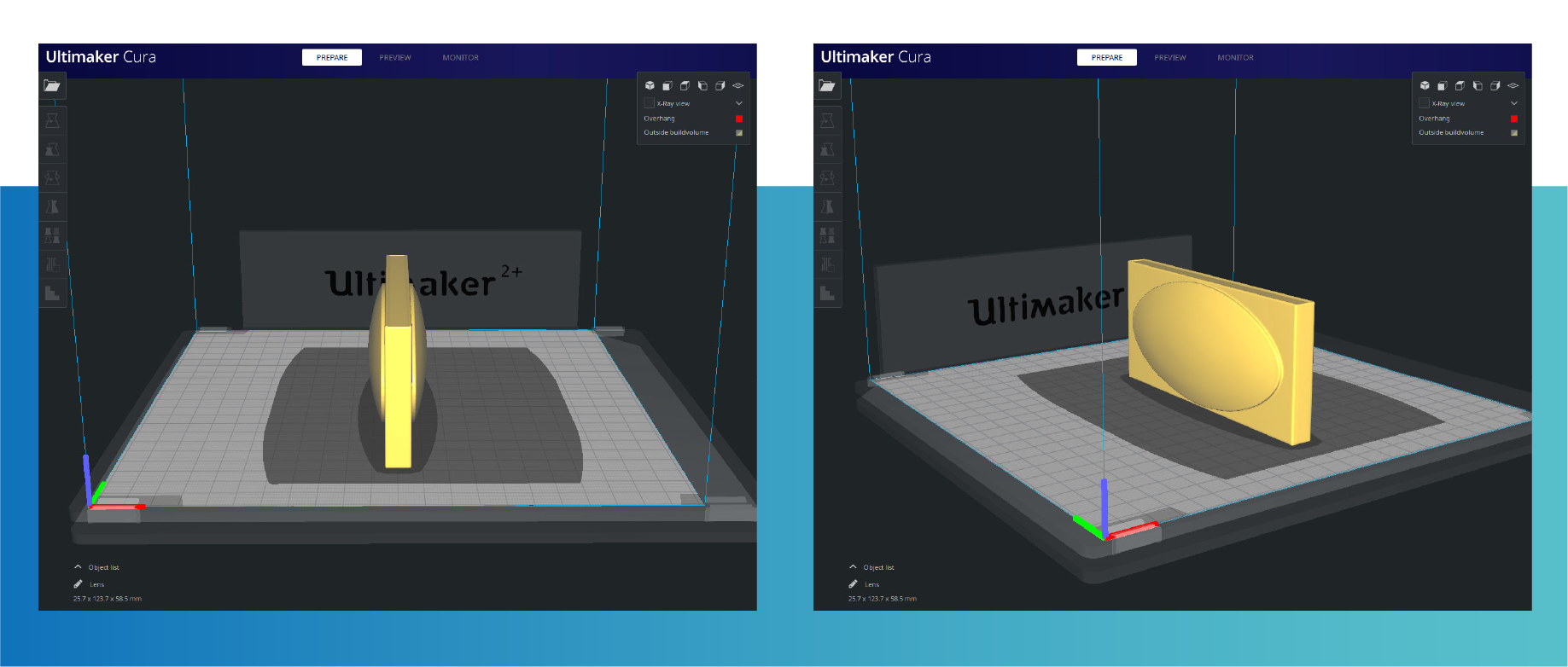
Therefore I made a single perimeter box with the lenses bulging out on the longer sides and printed it really thick (2 mm) to make it look like the original piece. This way the nozzle could go round and round printing both lenses without any disturbances.
Next step was to simply cut it out of the box walls and treat it with 100% Isopropanol, let it dry and sand it before final IPA treatment and done! I was holding two perfectly shaped, very clear and sturdy lens shaped covers in my hand. The frame was glued on and the whole piece was snapped into place and I know its gonna last a long long time. Thank you Polymaker.
Check out Mattias post and video of the prints on facebook:
https://www.facebook.com/groups/polymaker/posts/2728308607433197/

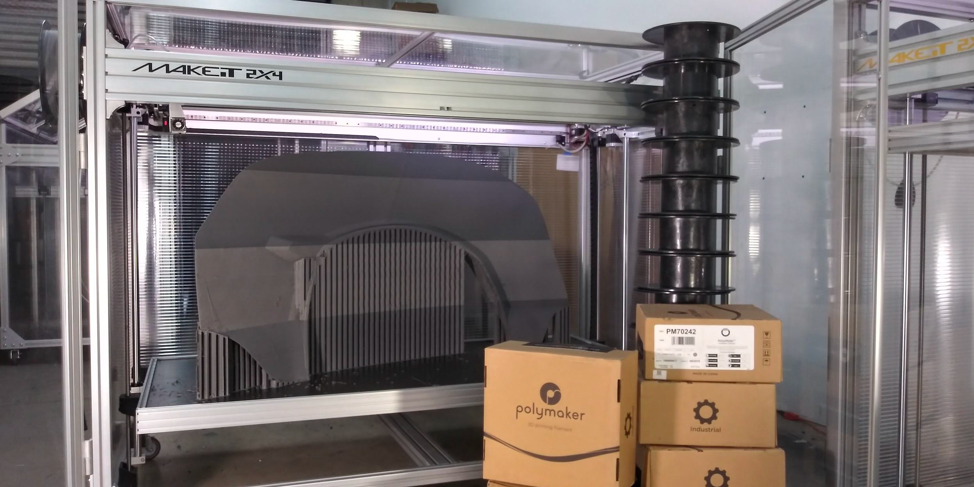
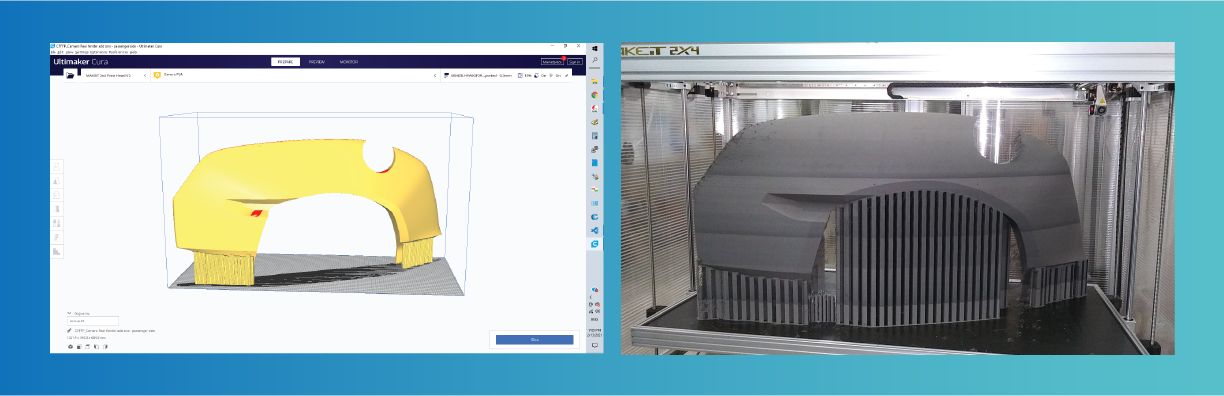
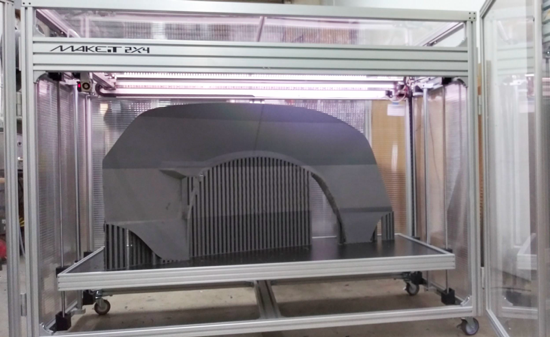
Full size fender plug (1346mm x 660mm) 3D printed on MAKEiT2x4 Large Format 3D printer using PolyMide™ PA6-GF material made by Polymaker.
MAKEiT2x4 is a large format 3D printer able to print an entire quarter panel in one piece with industrial quality filament PolyMide™ PA6- GF from Polymaker. MAKEiT2x4 is designed and made by MAKEiT, Inc. in California.
The printer is equipped with a massive rectangular printing area of 1400x605x800mm and a powerful printhead, this makes it the premier choice for printing large automotive parts, like rectangular-shaped body models. In fact, it is recognized by the automotive aftermarket authority SEMA, the Specialty Equipment Market Association. The SEMA Show 2020 awarded our MAKEiT2x4 large format 3D printer the 2nd Best New Tool and Equipment Product.
With the printer MAKEiT 2x4 car designers and fabricators can print the original fender design, in full instead of different pieces welded together saving the time and energy spent to complete a puzzling process. It counts with an application where you can see the part being 3D printed in real time.
After days of continuous printing, when the model is finally printed and cleaned, you can test fit it right away onto the vehicle. The well tested piece can be used as a plug to make the production mold. Plus, by using the MAKEiT2x4 machine, you can keep all your original designs in house.
Due to the complex nature of making a perfectly smooth body plug, the material used to make the plug needs to be stiff and strong and able to withstand intense heat. After many trials of different kinds of filaments, we have narrowed it down to a couple filaments. Polymaker™ PA6-GF meets all the material requirements for 3D printing a good plug.
With the help of 3D scanning, computer-aided design, 3D printing and the right material, our clients are no longer sculpting clay plugs by hand. They especially love the 3D printing digital mirroring process. With a single click, a mirrored model can be printed automatically. In comparison, making opposite-side plugs perfectly symmetrical by hand is virtually impossible.
We’d like to share the following case study from one of with you from our amazing customers.


Ivan Tampi, owner of Ivan Tampi Customs, is an award-winning designer and fabricator specializing in widebody Corvette customization. He used to spend weeks making plugs by hand. With the help of MAKEiT2x4's large-format 3D printing technology, he is able to get 3D printed prototypes from the CAD design, without the need for additional tooling. He is now able to do more design work, build more exotic wide body kits faster, all at a lower cost.

A full-size passenger side rear fender cap is 3D printed on a heated carbon fiber print bed. This bed provides a massive 1400x605x800mm print envelope. The 0.6mm tungsten carbide nozzle on the powerful printer works wonders with the PA6-GF, producing 5 days of non-stop work, (except for the automatic pausing of the printer when the filament runs out). An innovative filament motion sensor detects filament exhaustion and other problems. Once a new roll of PA6-GF is installed, the printer will continue. By nature, PA6-GF is an abrasive and stiff filament. It needs a printing temperature in the range of 285C to 300C and an abrasion resistant nozzle to extrude well. Often, 3D printer bed leveling and calibration can be complicated and time consuming. But this is not the case with the MAKEiT2x4 printer. It has 100% automatic print bed leveling and calibration. The user only has to press a few buttons on the computer screen. The rest is done by the printer itself.
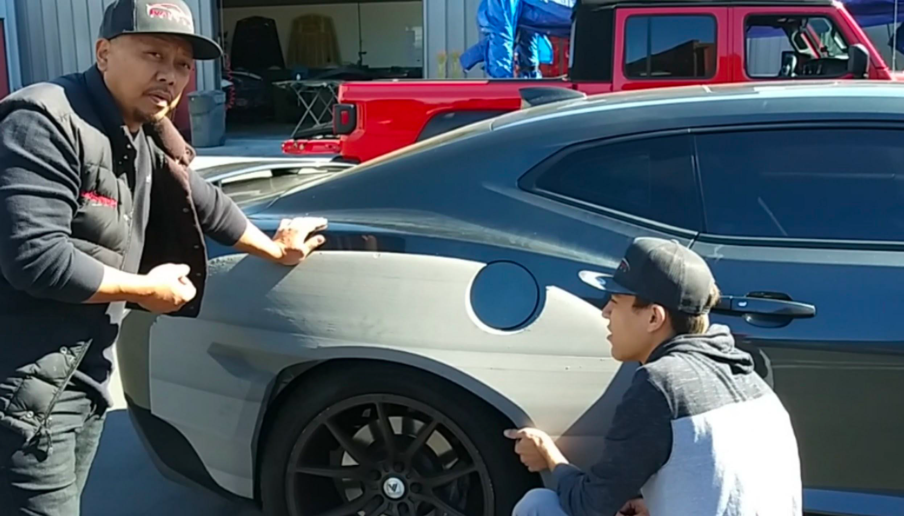
(3D Printed passenger side rear fender plug fitment test by Ivan Tampi Customs)
By using the digital mirroring process, the driver side rear fender is obtainable. This simple process creates a symmetrical model, and it can be 3D printed right away. The finished print is shown here.
Once the printing starts, we want it to be finished as planned, right? No one wants to see an incomplete
job. However, a random layer shift during printing poses serious risk. It can ruin the entire print. Many 3D printer users have encountered similar issues. It is very costly when printing a large size part. To prevent the "lay-shift", we have implemented the LSP (Lay Shift Prevention) in each 2x4 printer as a standard feature, ensuring reliable printing, job after job. A video clip about LSP can be found here ( https://drive.google.com/file/d/1FW9CdxKvBCXWwAC22lJqaLcFv5UnEByM/view )
A driver-side front fender plug is completed after 7 days of printing. As noted, there is support material and debris attached to the fender print. These can be easily removed before the fitment test.
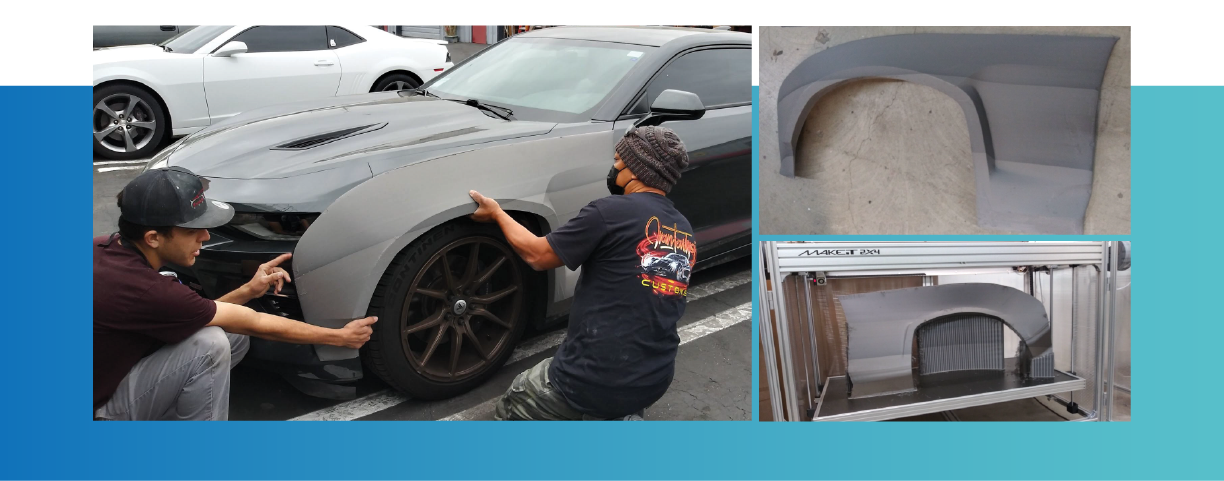
After an initial fitting, the fender plug will be power sanded to make it as smooth as possible. During sanding, the nylon glass fiber print remains stable, unlike PLA. It doesn’t gum or melt at all! This is huge. The old headache of “how do I sand it” has become “I love it. I can sand it easily, as many times as I want.” Often, regular post processing filler materials like Bondo are applied onto the plug before next sanding.
While the printer is running on its own, a MAKEiT2x4 user can monitor the printing process, and control the printer remotely using a smartphone. When you visit your customer, you can show their part being 3D printed in real time!
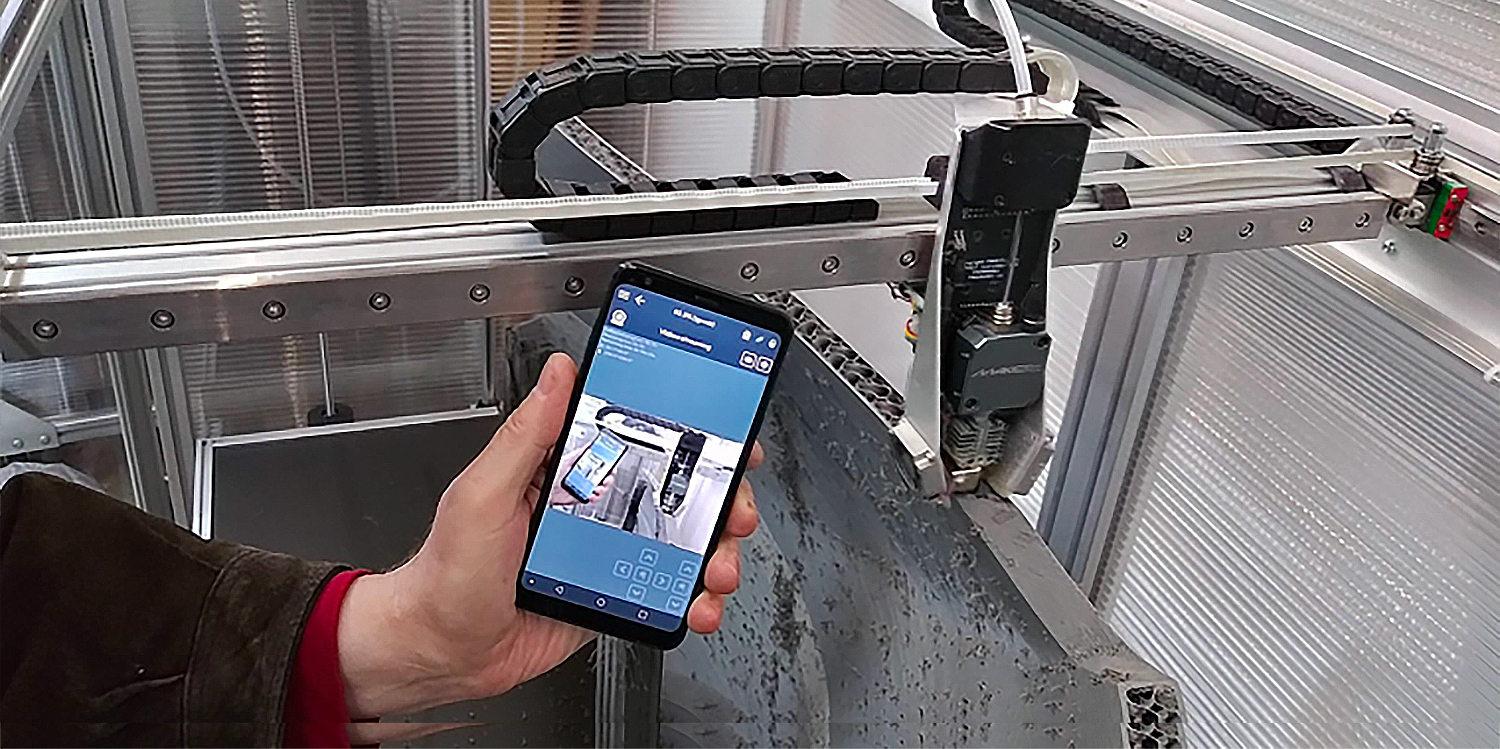

According to Ivan, MAKEiT 3D printing technology has saved his company 75% of time and labor compared with their traditional plug-making process. 3D printing also ensures every part is symmetrical and keeps the harmonious proportion all the way through. Compared with other filaments earlier, PolyMide™ PA6-GF has become Ivan’s only go-to material. Nowadays Ivan Tampi Customs is able to turn their unique digital designs into real functional parts in days and weeks, and no extra tooling is involved.
Ivan’s beautiful widebody exotic cars can be found at:
Instagram: @custom_car_builder; @ivantampicustoms
Website: www.ivantampicustoms.com
MAKEiT2x4 Large Format 3D Printer is designed and built in California USA by MAKEiT, Inc.
Website: www.makeit-3d.com
Instagram: @largeformat3dprinter
Email: shelley@makeit-3d.com for purchase and resale opportunity
Sarolea is a revived Belgian motorcycle manufacturer that took on the historic Sarolea brand after the original company ceased production in the 1960’s. The revived brand now focuses solely on electric powered motorcycles, but at the heart of the company is the same passion of motorcycles that founded the original brand back in 1850.
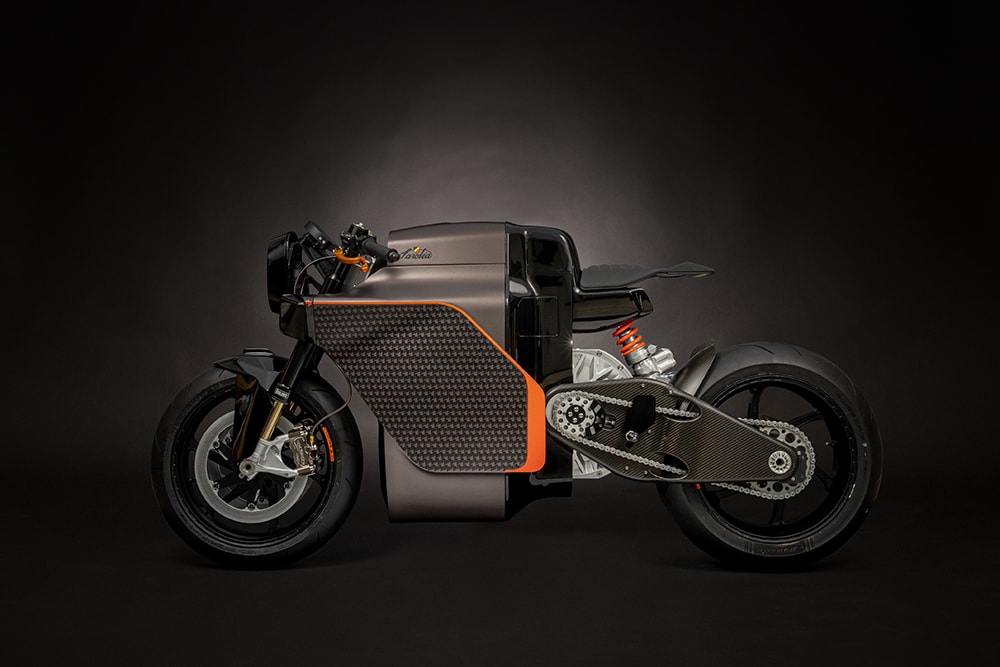
Sarolea develop and manufacture their motorcycles from the ground up using in house technologies originally developed for track racing bikes. After gaining popularity of their designs on the race track, Sarolea decided to design a road going version of their first race bike the Manx 7. Sarolea have been using 3D printing technology at each stage of their production process and have established close technical relationship with Polymaker.
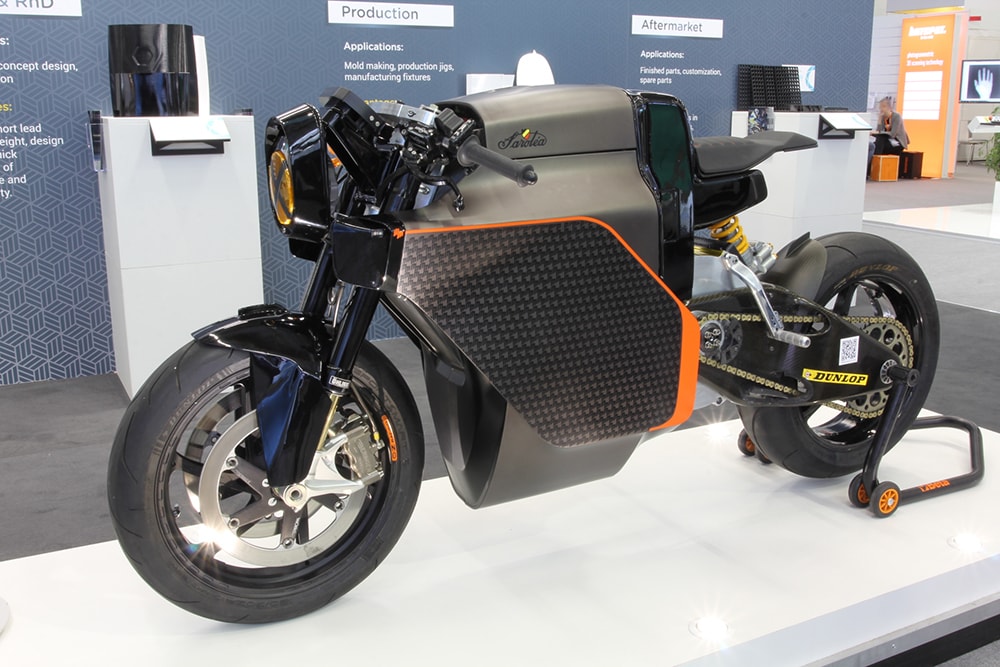
3D printing technology can bring huge advantages to the automotive industry in all aspects. Sarolea has integrated 3D printing into every stage of their production cycle, utilizing many different materials and their unique properties in the design, production and ultimately for the manufacture of parts that operate on the road and race bikes.
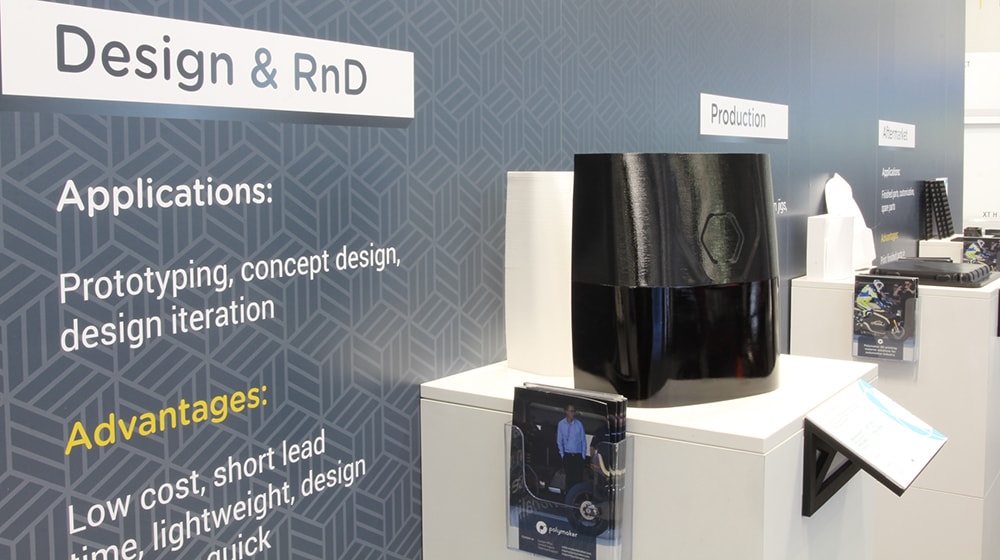
Stage 1: Design & RnD
Applications: Prototyping, concept design, design iteration
Advantages: low cost, short lead time, lightweight, design freedom, quick verification of appearance and functionality.
Description:
Both PolyMax ™ PLA and PolyMax ™ PETG are used for prototyping. For the Manx 7 electric superbike, the entire bodywork was prototyped using PolyMax ™ PLA. The printability, reliability and toughness play a role in this application. On the N60 model, Sarolea used PolyMax ™ PETG for bodywork prototyping. Compared to PolyMax ™ PLA, PolyMax ™ PETG is easier to sand and polish, offering an additional 20°C heat resistance compared to PLA. This allowed Sarolea to print and test body work with a professional finish.
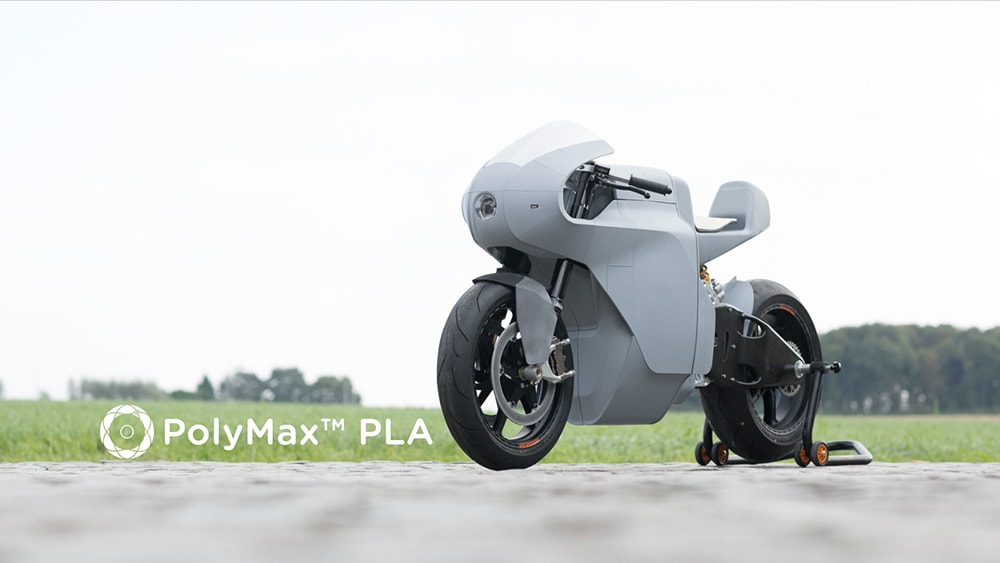
PolyMax ™ PLA for bodywork prototyping
PolyMax ™ PETG for bodywork prototyping
Stage 2: Production
Application: mould making, production jigs, manufacturing fixtures
Advantages: fast and low-cost manufacturing of specific tools for custom parts, effectively reduce production cycle by printing in house. Print negative moulds for direct carbon fibre lay-up.
Description:
Sarolea are 3D printing moulds in PolyMide™ CoPA which they are using to produce final parts in carbon fibre. Both the Manx 7 and N60 have a carbon fiber monocoque chasis, this requires a number of intricate moulds that help with the lay up of the carbon fibre. PolyMide™ CoPA can withstand the high heat and pressures involved in vacuum curing process while the carbon fiber is baked in the autoclave. PolyMax™ PETG is also widely used to make production tools, jigs and fixtures necessary when assembling the bikes.
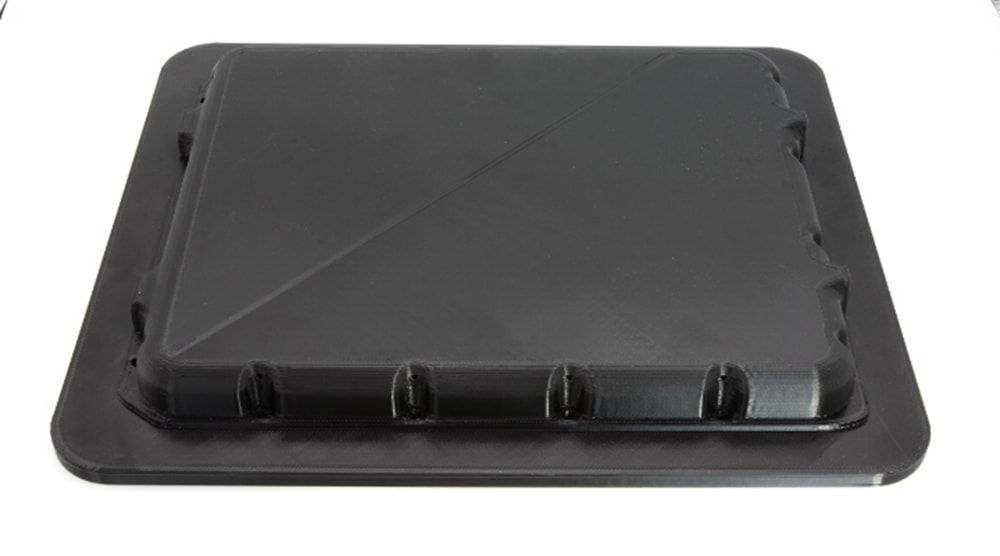
PolyMide™ CoPA mould
Stage 3: Aftermarket
Application: Printing production ready parts, customization and spare parts
Advantages: Print finished parts in advanced materials, provide full customization to customers on existing parts, keep digital database of spare parts.
Description:
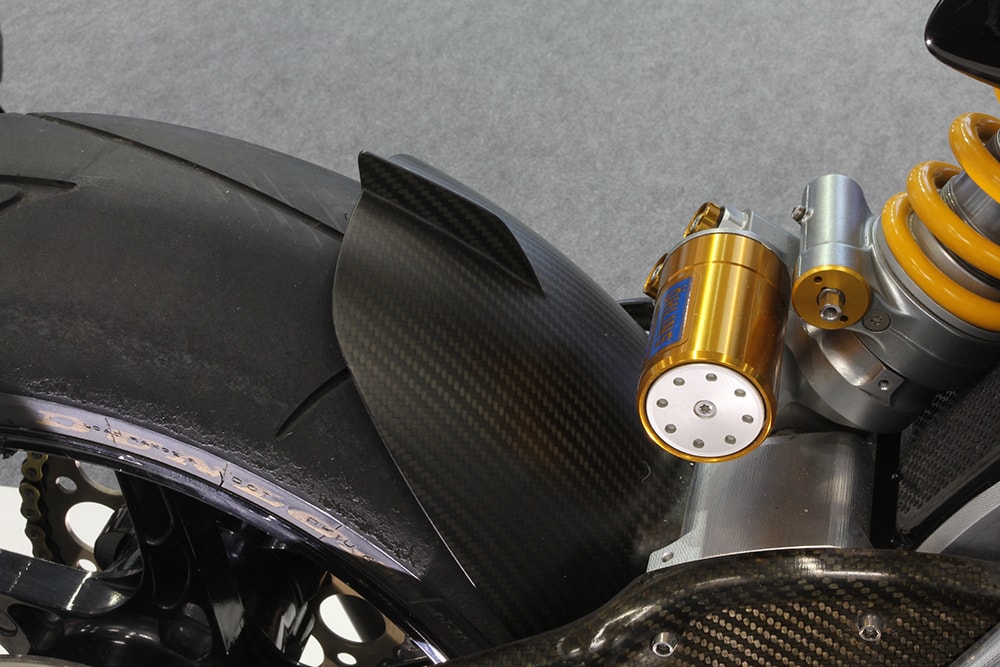
Sarolea features a number of 3D printed parts in final production thanks to the advanced materials that Polymaker offer. PolyMide™ PA6-CF is used widely in the high velocity air flows and Polymaker™ PC-PBT in use as a cell holder within the custom-made batteries. PolyMax™ PC-FR offers a fire rated material to print fixtures and holdings for the many high voltage circuits and wires that are necessary to run the bike.
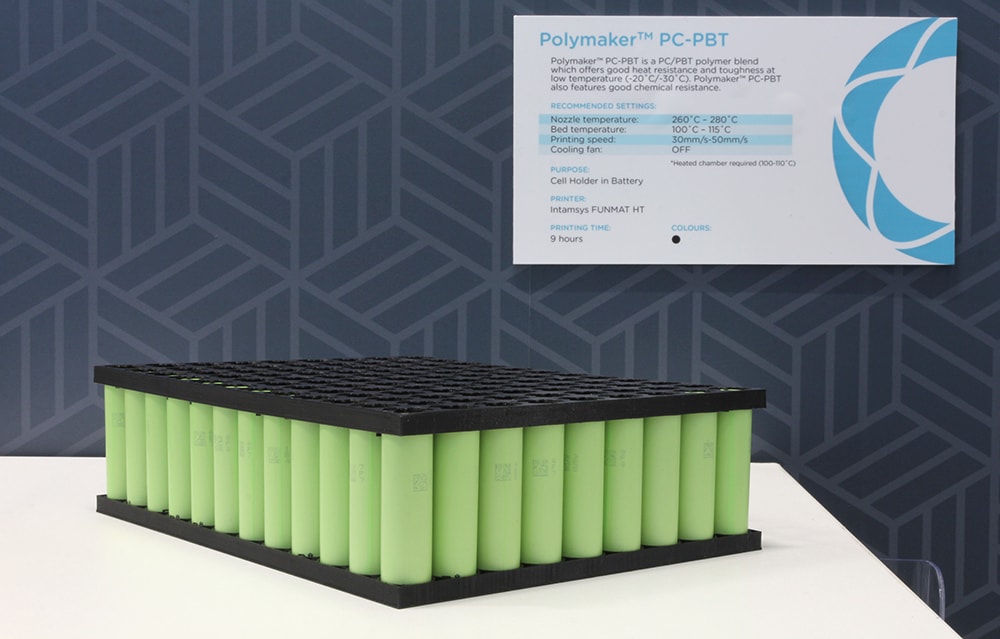 Polymaker™ PC-PBT cell holder
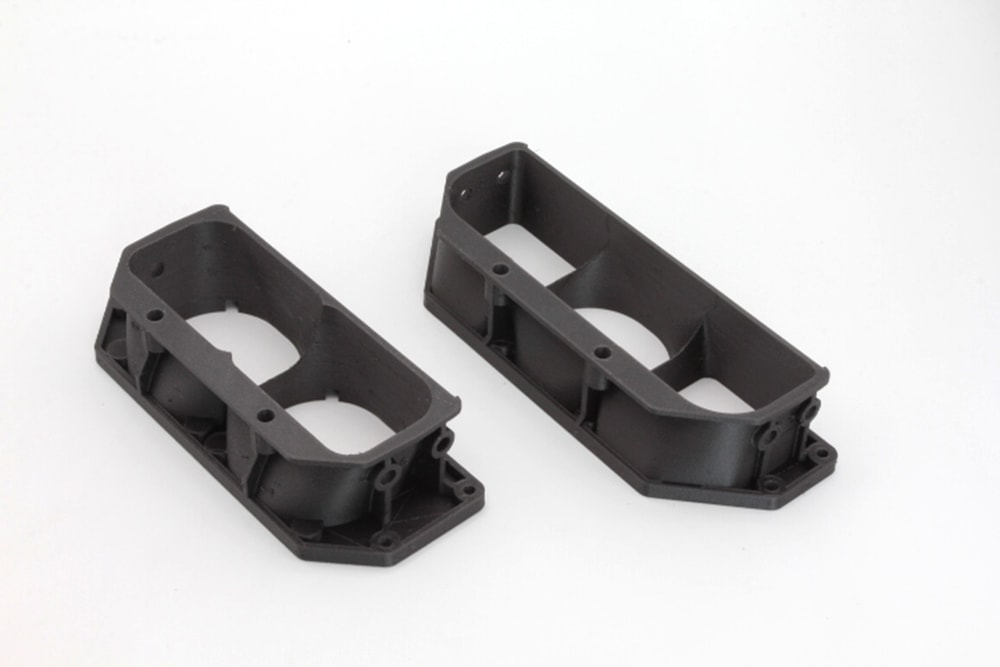 PolyMide™ PA6-CF air duct
Sarolea has found that Polymaker materials are an invaluable tool not only in prototyping but also in the manufacturing and final production of parts for their motorbikes. The technical partnership between the two companies allows Sarolea to push the boundaries of vehicle electrification.